
Recycling technology, Materials, and Processes
On this page, we provide you—as recycling experts and companies—with comprehensive information on metal recycling. Find out why we believe that optimal screening results, combined with a consistent material feed, can significantly boost your profits in sorting and metal recycling—while also benefiting the environment.
Efficiency and efficient recovery of clean metals such as scrap iron, aluminum, stainless steel (VA), copper, brass, zinc and metal alloys is the focus of scrap metal processing.
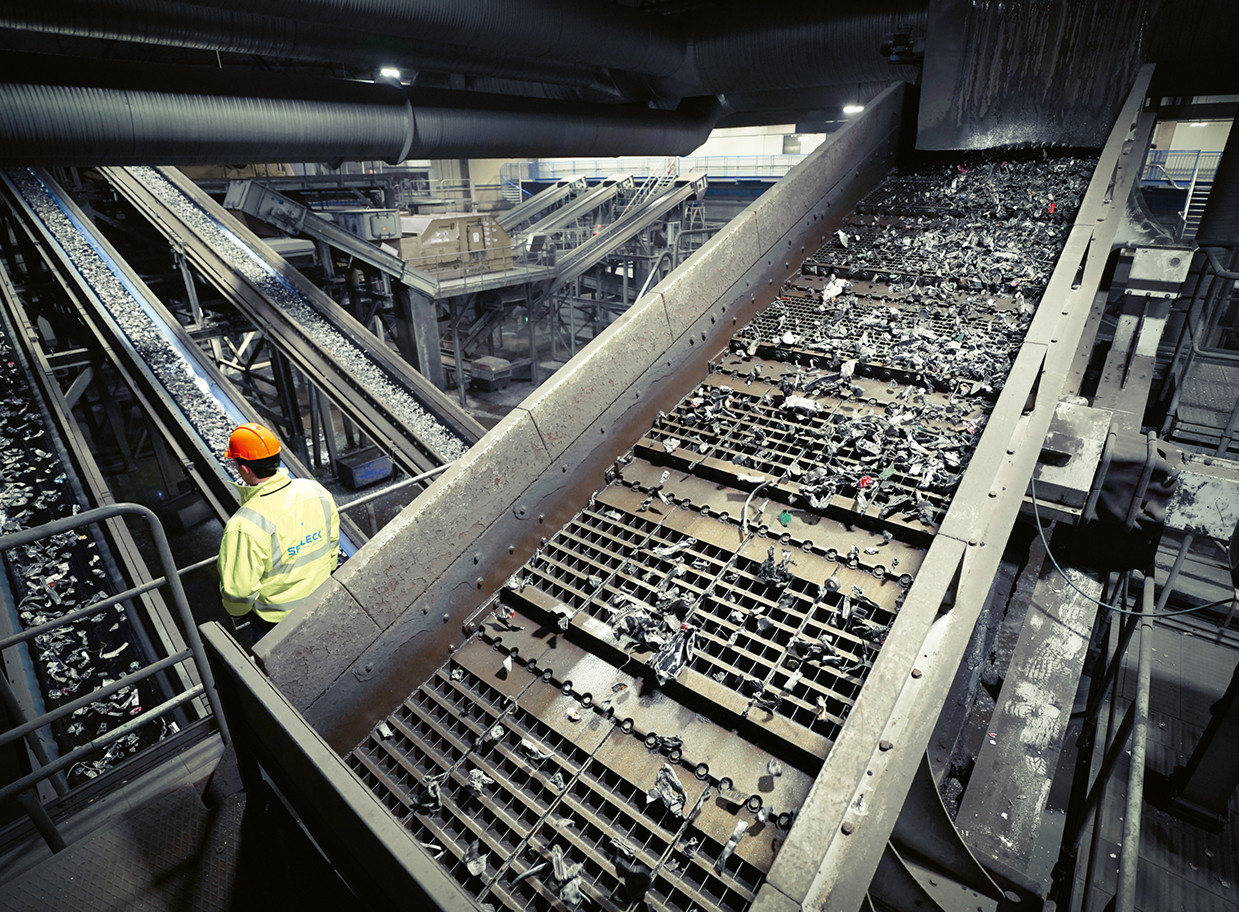
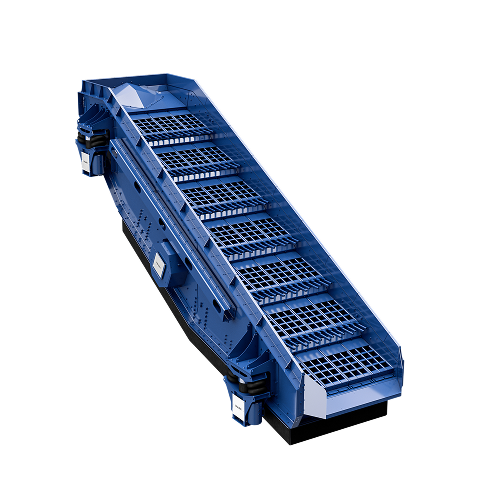
SPALECK screening machines help you accurately classify input material by size. You’ll benefit, for example, from our 3D screening panels. They ensure that your target fraction remains free of unwanted long pieces.
You can also benefit from the SPALECK ActiveFEED infeed unit, which automatically feeds the material in the optimal quantity for your sorting system.
We work with you to tailor SPALECK’s conveying & separation technology to your recycling process, the shredding and sorting equipment you use, and the specific requirements of your material.
In practice, a distinction is usually made between light (3–6 mm thick) and heavy shear scrap (over 6 mm thick)—so-called E1 and E3 steel scrap in defined dimensions. In addition, there are various other types of steel scrap. Typical source materials include, for example, pipes, guardrails, sheet pile walls, steel sheets, and railroad tracks. Industrial waste, steel scrap, rebar, and industrial and heating systems are also included.
Shredder scrap, also known in practice as E40 shredder steel scrap, is recovered through magnetic separation (magnetic drums) during the shredding of metals and their composites. Shredder steel scrap is magnetic iron scrap with a defined bulk density and dimensions. After the magnetic steel scrap has been recovered, the heavy fraction of the shredder residue—containing aluminum, copper, stainless steel, metallic composites, and other metals—remains for further processing. Both the heavy and light shredder fractions also contain a mixture of plastics, wood, glass, rubber, and other non-ferrous metals.
Aluminum scrap recycling involves the recovery and reuse of clean scrap aluminum.
Aluminum scrap consists, for example, of aluminum sheets, stamped aluminum scraps, extrusions, aluminum castings from automotive recycling, as well as car rims and industrial waste such as shavings or aluminum foil.
In practice, a distinction is made between post-production and post-consumer aluminum, depending on the “source.” The latter includes, for example, aluminum cans or aluminum lids from food packaging.
When end-of-life vehicles are shredded, the lightweight fraction that can be separated by air classification—also known as the “shredder lightweight fraction” (SLF)—is often extracted first. The steel and ferrous materials are then separated using magnetic technology.
The material remaining after air classification and FE separation is referred to as the shredder heavy fraction (SSF or, in English, SHF). In North America, the light fraction it contains is usually separated from the magnetic iron fraction only after shredding, using so-called Z-boxes.
The term “electronic waste” refers to electrical and electronic equipment, as well as end-of-life electrical and electronic devices, that are sent for recycling.
The goal is to process the waste appliances in such a way that the individual components—including metals such as copper, aluminum, and precious metals, as well as plastics, circuit boards, etc.—can be recycled as purely by type as possible. The processes for processing and recovering the various categories of end-of-life equipment (refrigeration appliances, small household appliances, monitors, etc.) are specialized and require sophisticated screening, material feeding, and sorting technology to produce pure, single-material products.
The energy recovery of municipal solid waste produces grate ash, also known as MV slag, in the waste-to-energy plant (MVA). On average, this accounts for about 30% of an MVA’s input and consists of approximately 90% mineral content, followed by up to 8% ferrous metals and about 2–3% Non-ferrous metals. In addition, the non-ferrous metals contain significant amounts of precious metals, which are present in very specific particle sizes and fractions. Due to the residual moisture content of the material, determining the optimal screening technology and feed system is a task best left to specialists like SPALECK.
Every year, we conduct hundreds of material tests with our customers at the SPALECK TestCenter. The goal: to achieve optimal classification and material feed for the best possible performance of downstream sorting equipment in metal recycling.
Real-world testing of your material on two complete Recycling lines for screening and feeding technology.
We’d be happy to advise you on your free trial day at the SPALECK TestCenter. Our goal: to find the best solution for your recycled material.
The ActiveFEED infeed unit is an absolute no-brainer for metal recycling. Simply set the optimal tonnage for the respective material as the feed rate for your sorter—and the ActiveFEED delivers it at the push of a button. This ensures optimal sorting quality, the best possible utilization of your line, and maximum success for your sorting process.
You are currently viewing a placeholder content from YouTube. To access the actual content, click the button below. Please note that doing so will share data with third-party providers.
More Information
Efficiency classification
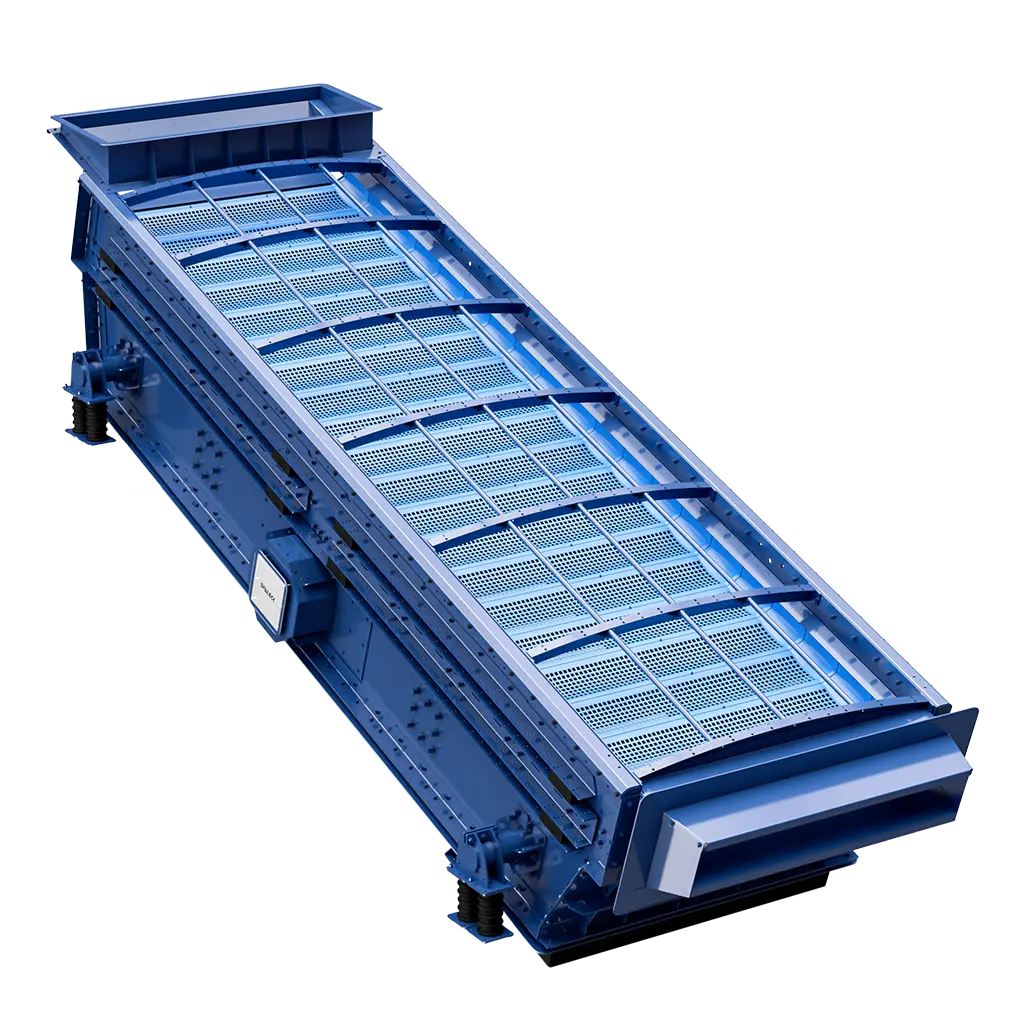
Fine screening for your materials
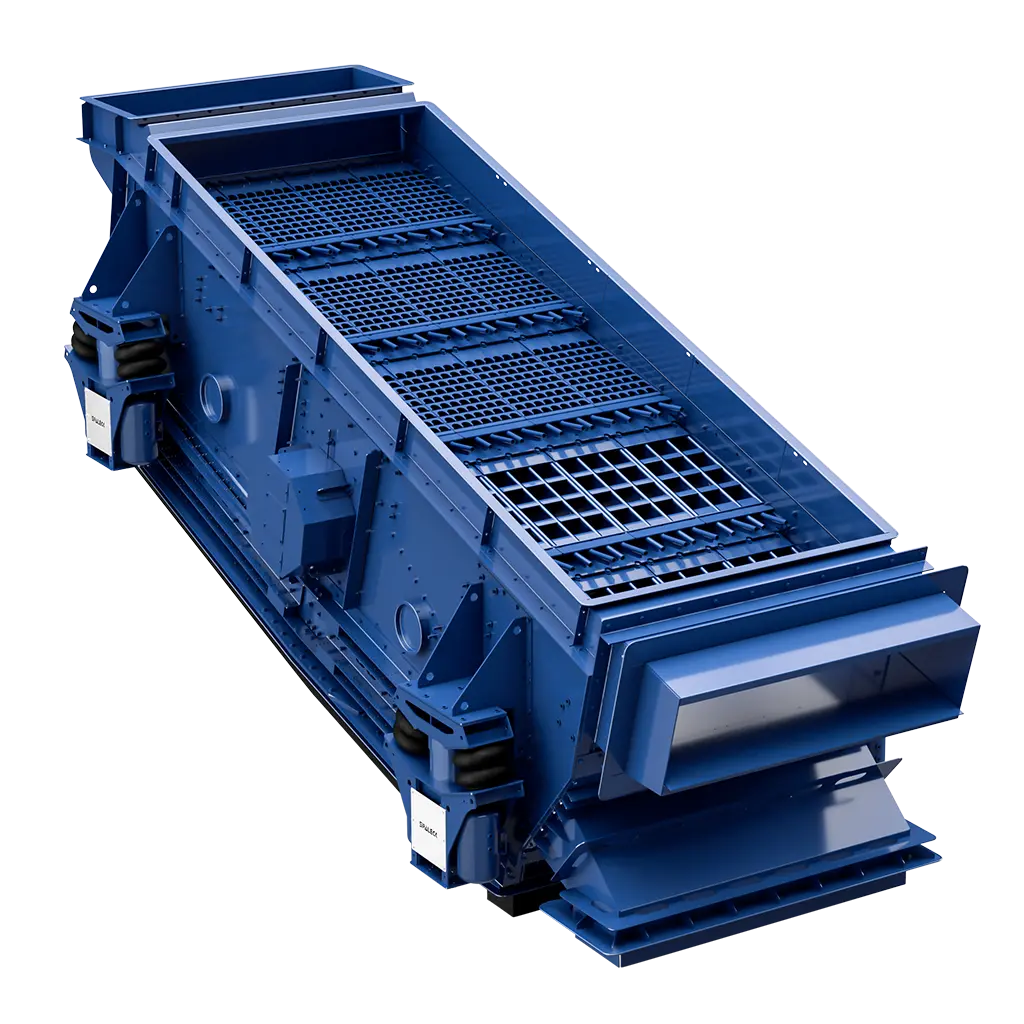
2-in-1: Recycling Waste Screens & Flip-Flow screening machines
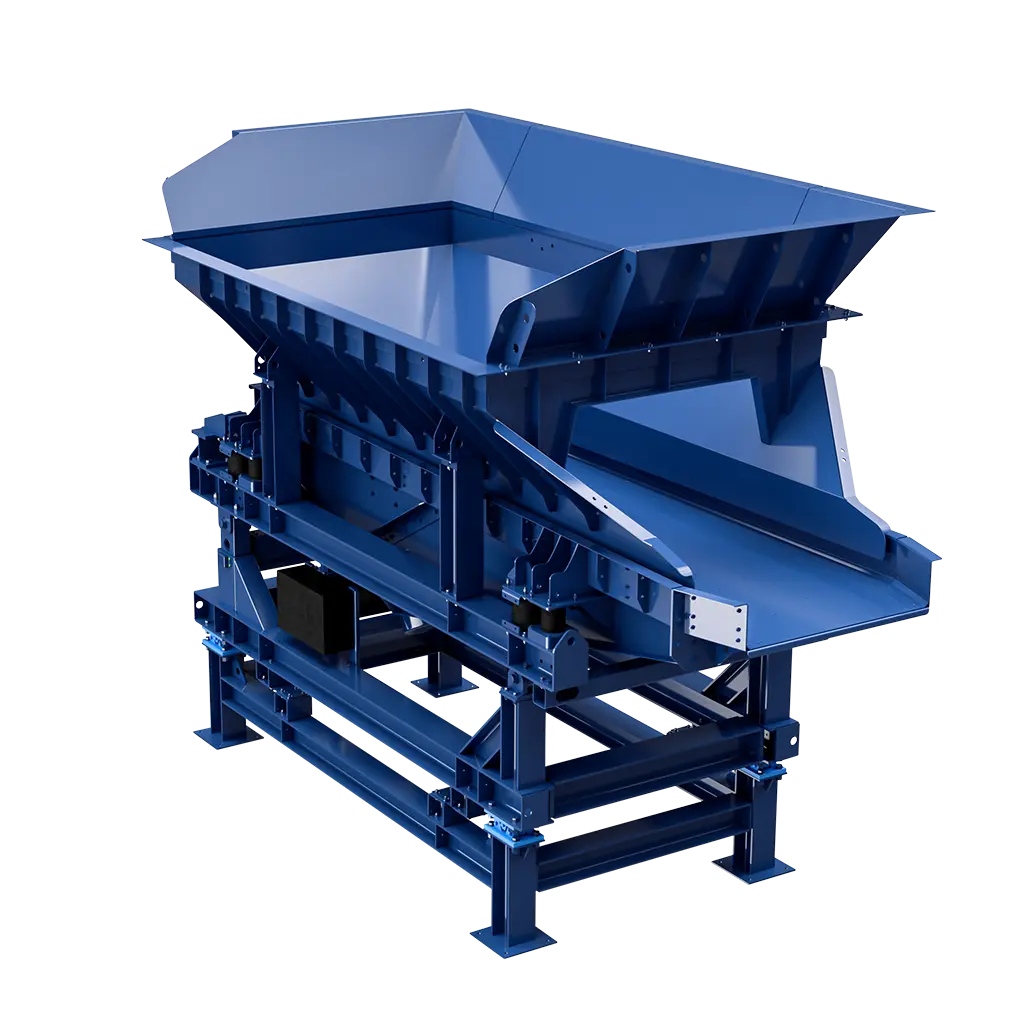
Optimizes the feed for your sorting devices
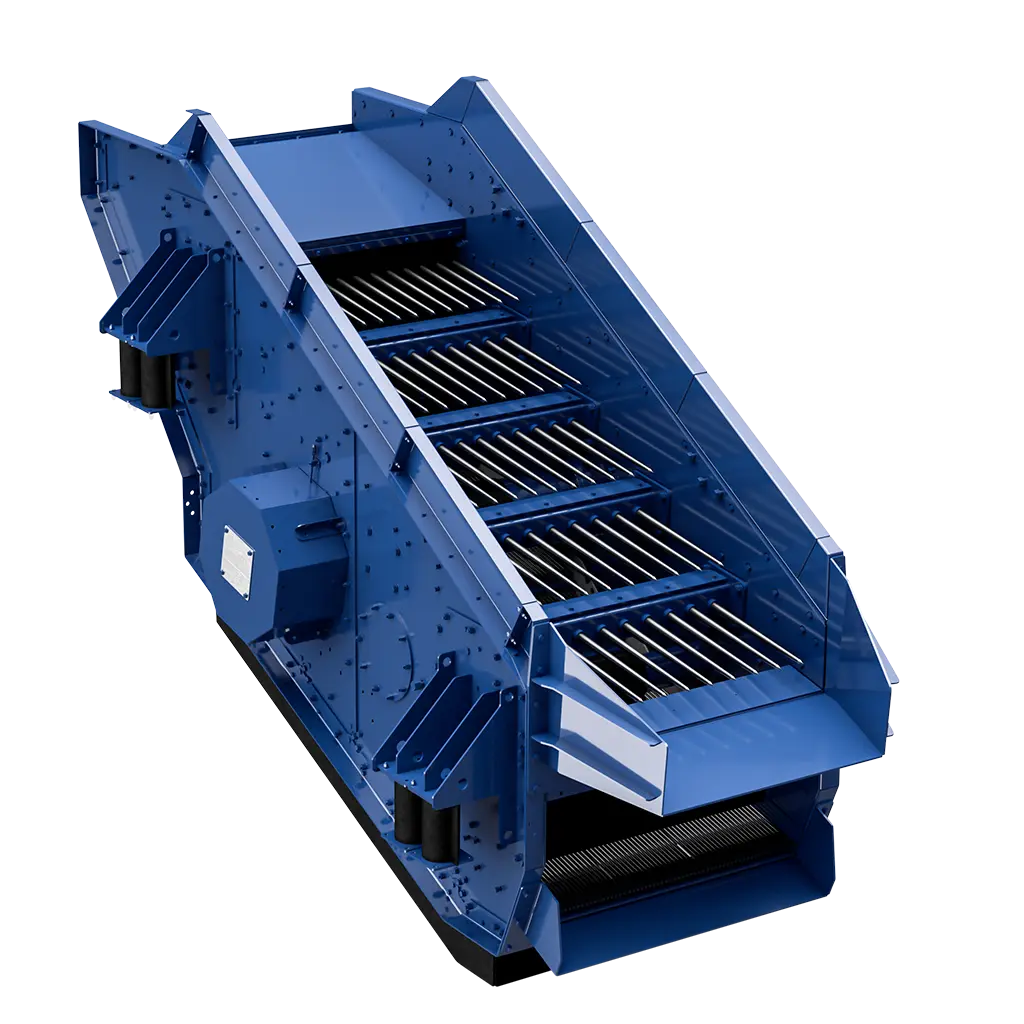
Reliable coarse screening & pre-separation
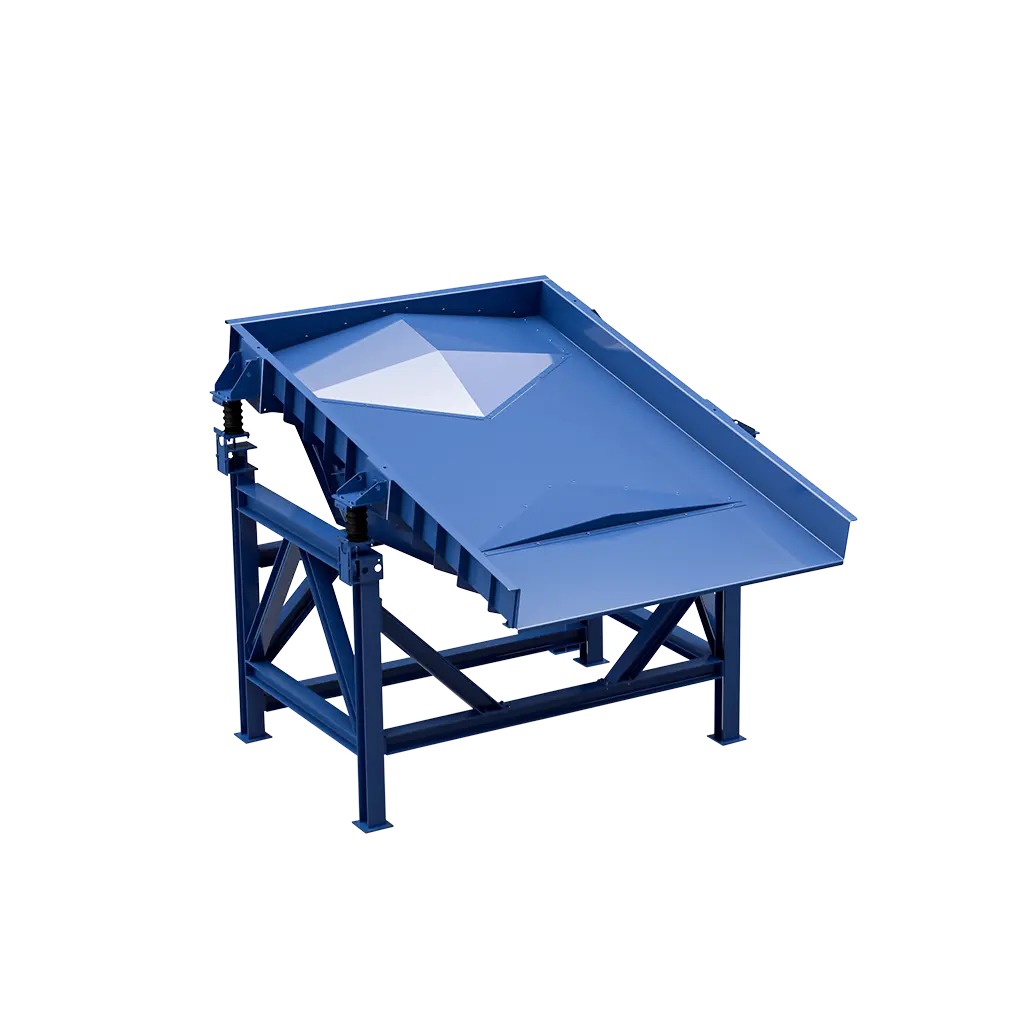
Optimum material feed and distribution
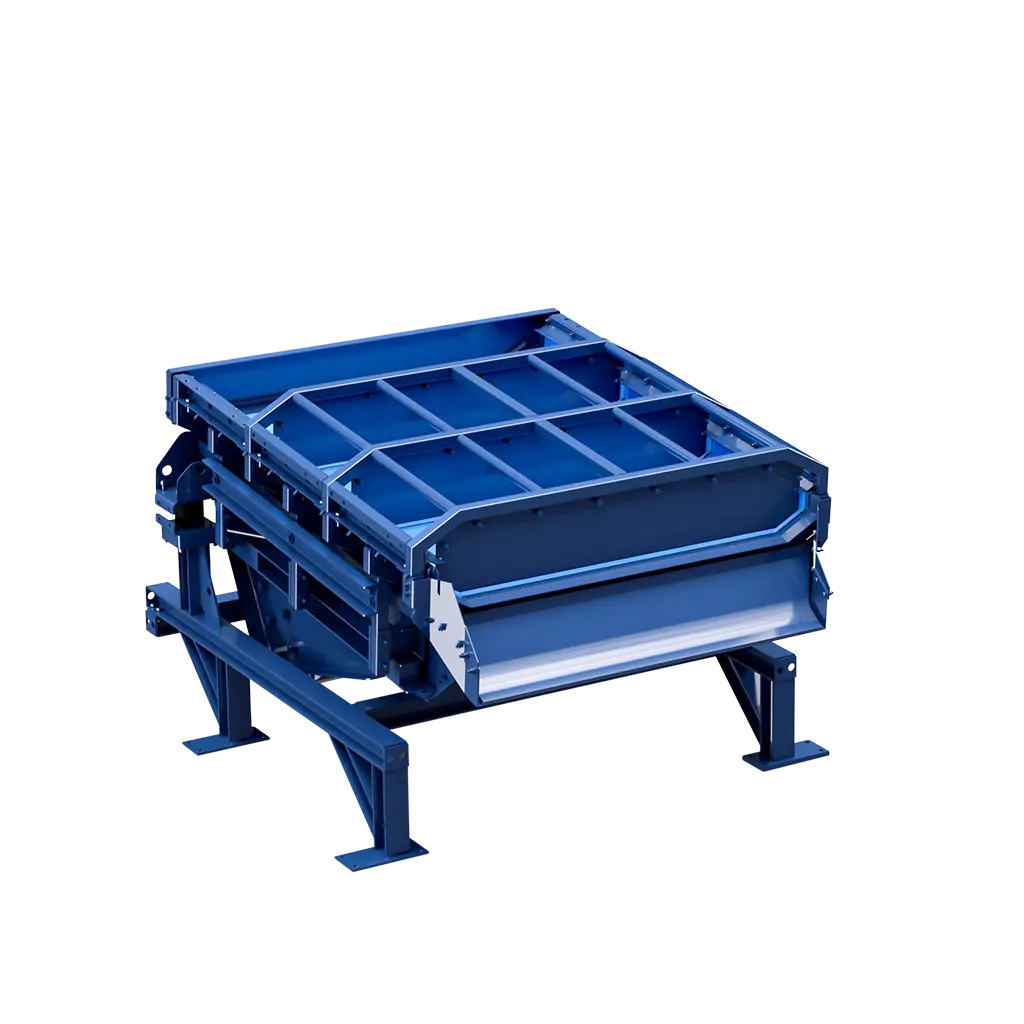
Cleaning-free material transport of Slag & Co.
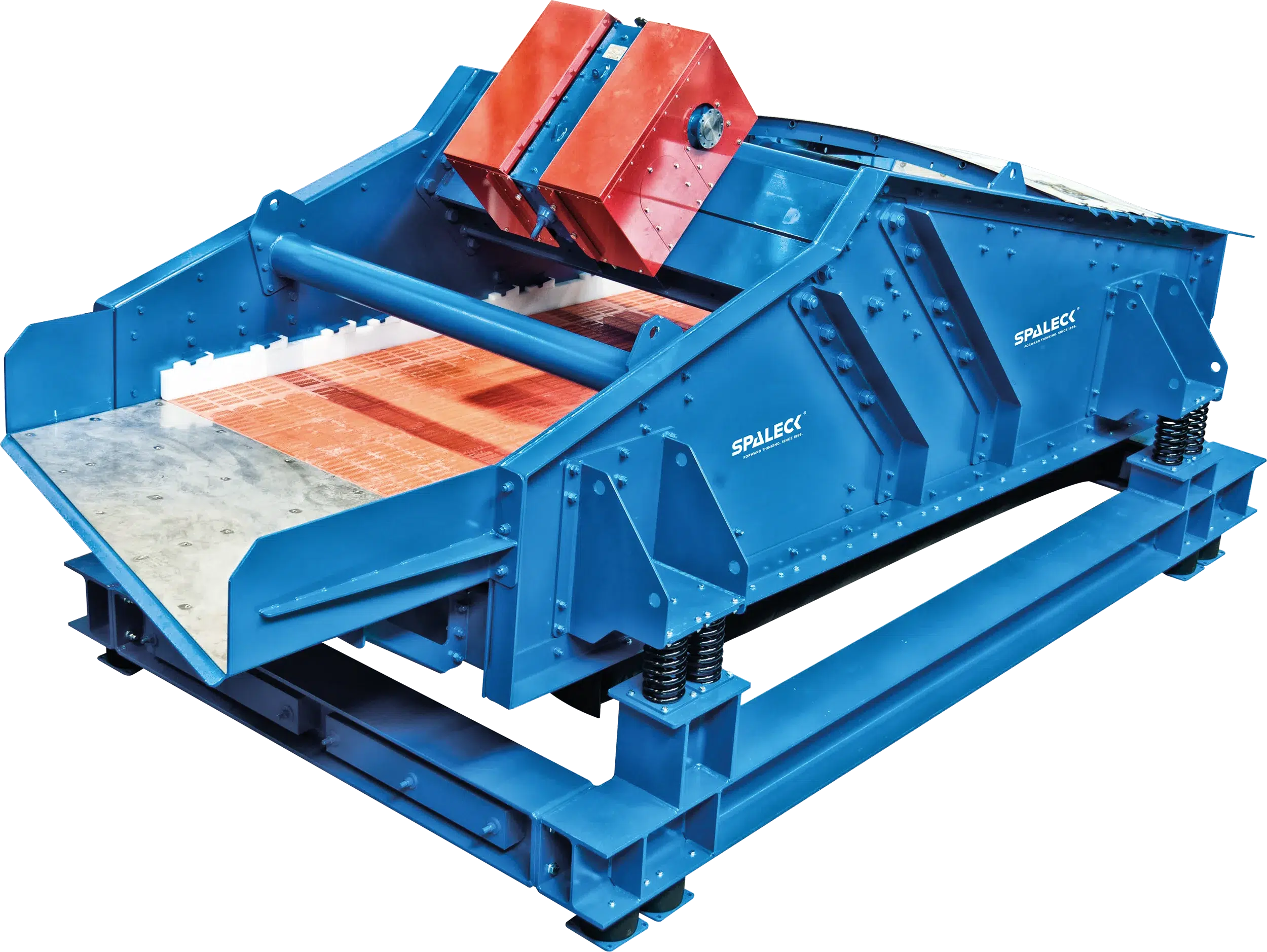
Screening for dewatering Material flows
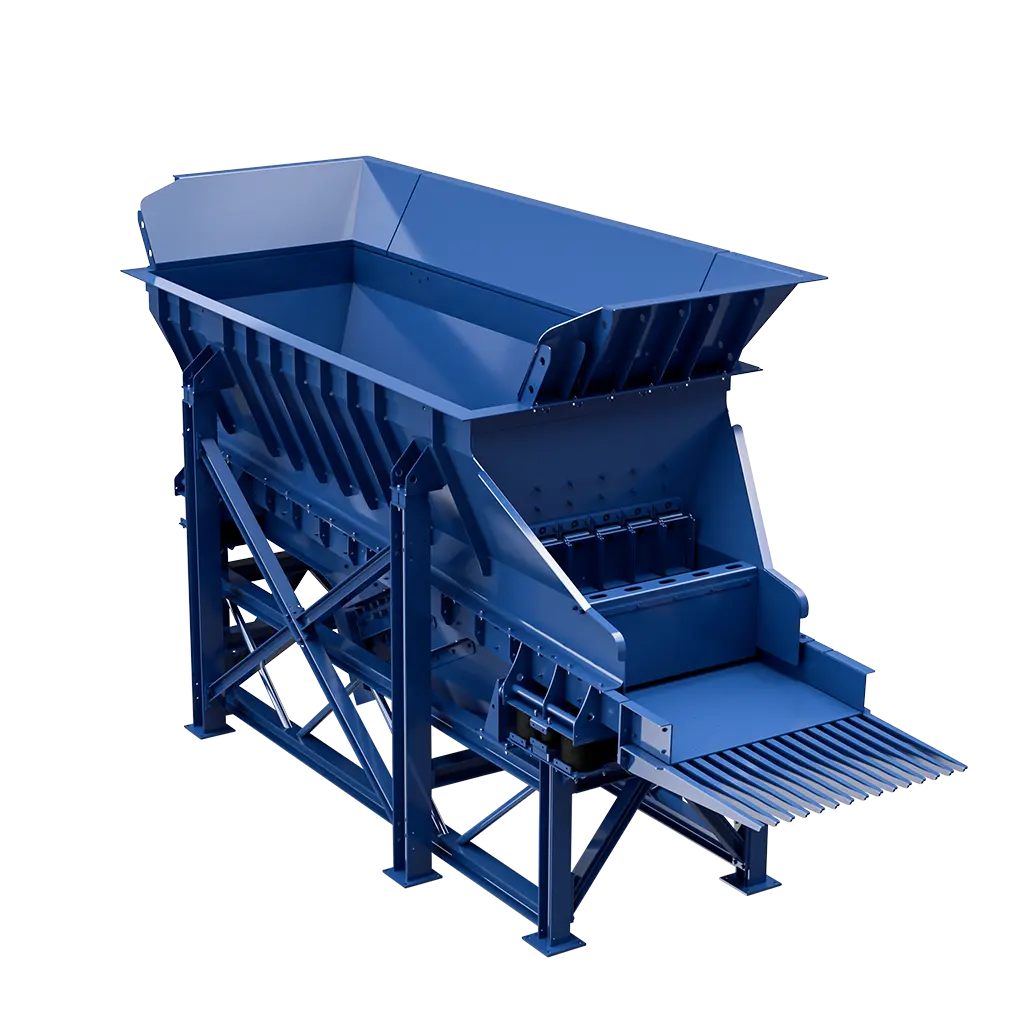
Reliable material supply in your Recycling process
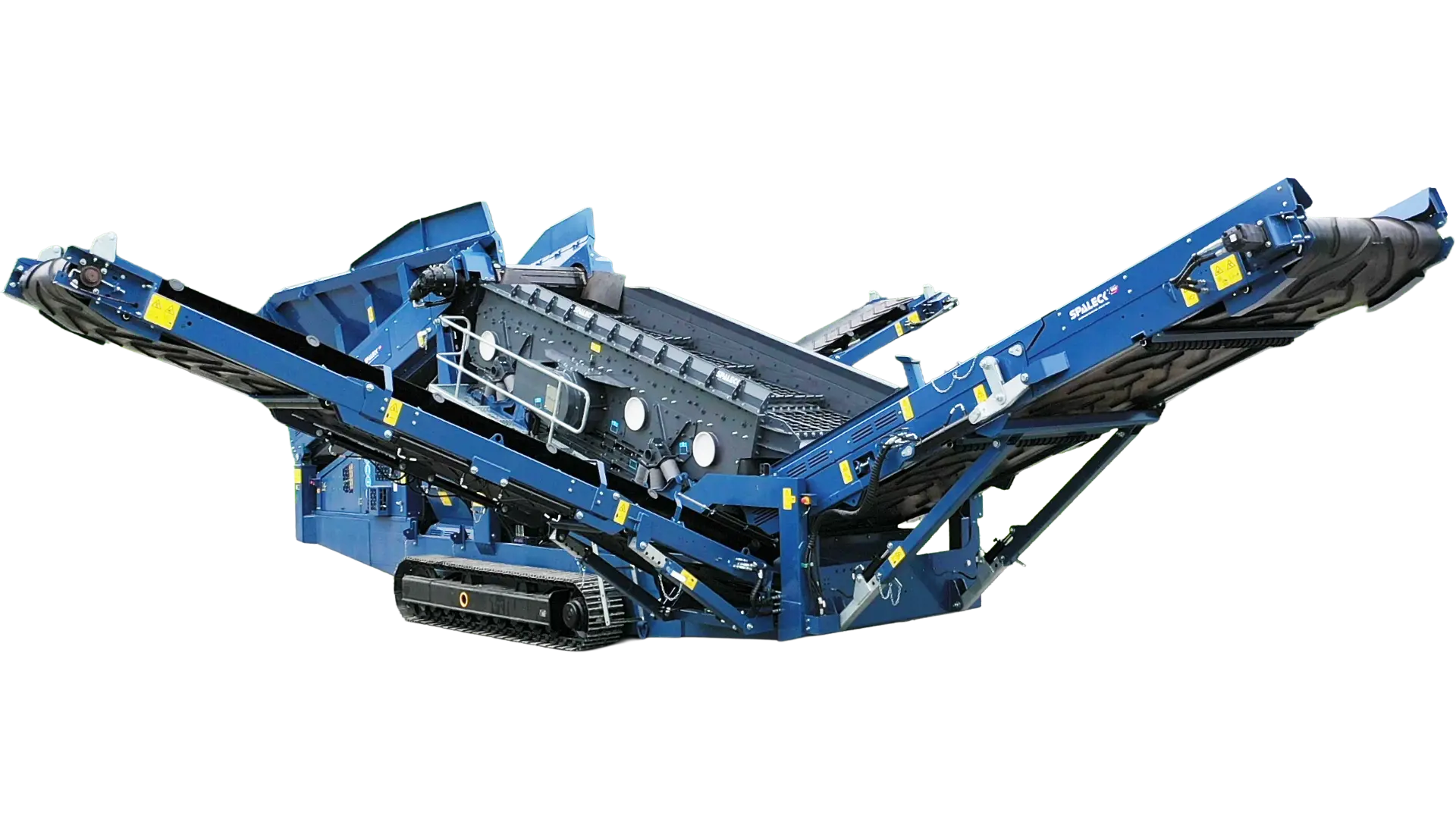
SPALECK screening technology always and everywhere available
You are currently viewing a placeholder content from YouTube. To access the actual content, click the button below. Please note that doing so will share data with third-party providers.
More InformationYou are currently viewing a placeholder content from YouTube. To access the actual content, click the button below. Please note that doing so will share data with third-party providers.
More InformationIn this animation, we show you how the screening process works. This is a double-deck screening machine. The upper deck features our 3D screening technology, and in the lower deck, we use Flip-Flow screens to separate the fine fraction.
You are currently viewing a placeholder content from YouTube. To access the actual content, click the button below. Please note that doing so will share data with third-party providers.
More InformationKoslov is one of Germany’s leading metal recycling companies. Here is an example of a SPALECK single-deck screen for scrap metal.
You are currently viewing a placeholder content from YouTube. To access the actual content, click the button below. Please note that doing so will share data with third-party providers.
More InformationOptimal feeding is crucial
Sorting machines perform best when the conveyor system feeding them operates correctly. We work with you to determine the optimal material feed as early as the planning stage of your facility.
Due to their reddish color and shape, electric coils are known among recyclers as meatballs. The problem with these coils, which have a high copper content, is that they can end up in the iron content during magnetic sorting due to their magnetic core. The Fe content is usually melted down during recycling. Copper content can lead to poorer steel quality.
Various techniques can be used to remove the meatballs:As a manufacturer of screening machines, we offer you very efficient solutions in cooperation with magnetic or sensor-based sorting to reduce the proportion of meatballs in the Material flow. We would be happy to advise you on this!
Meatballs, for example, are removed using overflow magnets, manual sorting and sensor-based sorting systems. The following also applies here: Best screening = best sorting. In other words, the better my screening result, the better the downstream sorting process.
OPTIMAL PROCESSES FOR YOUR RECYCLING TECHNOLOGY
Metal recycling places high demands on the technology used. Just one incorrect heavy part can lead to costly damage and long downtimes. Typical examples here are damage to the shredder caused by parts that are too large. Excessive wear caused by debris and organic matter or, for example, flying metal parts that can damage the sensor technology. Our SPALECK Conveying & Separation Technology helps you to protect your equipment and increase system availability.
Sand, dirt, impurities or parts that are too large not only mean increased material wear during shredding, but also pose an immediate risk of costly repairs.
Protect your valuable shredding and sorting technology with the right Screening sizes.
Are your sorting machines really performing as well as they could? Or are the sorting belts under- or overloaded? And do your Vibratory feeders enable optimum mono-layer material feed?
We would be happy to tell you how you can protect your technology and maximize your yield with 1A screen quality and material feed.
Increasing demands on material qualities, green steel, new markets & competitors: there are many factors that influence your business when it comes to recycling metals.
With the right technology, you can prepare for this with peace of mind. SPALECK offers you modern Screening technology that can also be easily adapted in the existing machine at a later date.
Optimal Interaction
In recycling, all process steps must be optimally coordinated to achieve the best sorting results and high levels of efficiency. We would be happy to advise you on how SPALECK Conveying & Separation Technology can best support you in this regard.
Depending on the input material, various types of shredding machines are used in metal recycling. These include shredders, hammer mills, hydraulic shears, impact mills, and crushers. For very large items (e.g., tanks or ships), manual shredding using cutting torches may be necessary as a first step.
When shredding scrap metal, SPALECK Technik can be used both directly in front of and behind the shredder.
Typical applications include
We are convinced that the optimal screening process is crucial to the overall success of metal recycling.
SPALECK Technik is a key team player in your facility. As your partner in metal recycling, SPALECK stands for BEST SCREENING = BEST SORTING.
Thanks to a clean screening process—free of contaminants and long pieces—your magnetic sorters, sensor sorters, air classifiers, X-ray sorters, and other sorting equipment can perform at their best.
The recycled material is fed into these machines in an optimal manner and with the highest quality using our Conveying & Separation Technology.
Magnetic separation is used immediately after shredding to separate out the iron content. There are two main types of systems: lifting magnets and overflow magnetic systems.
Lifting magnets are typically used to lift larger ferrous, ferromagnetic parts out of the material flow against the force of gravity and recover them. To this end, they are positioned as single- or two-stage overband magnets above the conveyor belt that transports the shredder discharge. To achieve high throughput with high purity, the magnetic drums in large shredders are now arranged in a two-stage inline configuration.
The various designs and types of magnets require an efficient feed of material with the proper particle size to ensure successful separation of ferrous materials. SPALECK guarantees optimal distribution in the feed area, as well as a high quality of the appropriate particle size, so that the magnets can operate effectively.
The overband magnet has the advantage of producing a high degree of purity in ferrous material. This is because the lifting principle ensures that, as far as possible, only the Fe fraction is separated. The lifting magnet can be designed as a permanent magnet or an electromagnet. In both cases, the lifted material is typically discharged from the magnet via a circulating belt.
Alternatively, a magnetic drum can also be used as a lifting magnet. This lifts the material out of the flow and transports it upward via the drum’s rotational movement, where it is discharged in the non-magnetic area of the drum.
The goal in each case is both iron separation and the physical protection of the downstream sensor-based sorting technology.
Overflow magnetic systems, known as overband magnetic separators, are generally self-cleaning systems. They are used primarily to separate fine-grained ferrous material from the conveyor stream after crushing.
Typical designs include magnetic belt rollers or magnetic drums. Both systems are available in permanent magnet or electromagnet versions with varying field strengths and configurations. Overflow magnets operate in direct contact with the material. The magnetic material is guided over the belt or drum.
The stationary magnet system ensures that the ferromagnetic material adheres to the belt of the magnetic belt roller separator or the belt drum and is carried away. It remains attached to the magnet until it reaches the opposite end of the magnetic field. The magnetic field typically extends from the upper apex to the lower apex. Depending on the strength and type of magnet (e.g., neodymium permanent magnets or the strength of the electromagnet), even weakly magnetic or very small magnetic components can be specifically separated from the shredded material. For example, impure iron fractions (FE contaminants) can also be selectively separated.
The non-magnetic material, on the other hand, is ejected at the upper apex by the forward movement of the belt or drum. The goal is, in particular, to remove undersize grains from iron and iron-based materials. This protects downstream sorting equipment from increased wear and mechanical damage caused by heavy parts or oversize grain and increases the yield in metal recycling.
Combination of lifting and overflow magnets
In practice, metal recycling often relies on a combination of both principles. This combines the high degree of purity achieved by the lifting method with the principle of overflow magnetic sorting, which is geared toward high throughput.
NES Sorters | Non-ferrous Sorters | Eddy Current Separators | Eddy Current Sorters
The next sorting step in metal recycling involves the use of eddy current separators. In practice, these are also referred to as NES sorters (non-ferrous sorters) or eddy current separators—or “Eddy” for short.
The goal of NES sorting is to recover valuable non-ferrous metals—which are non-magnetic or only weakly magnetic—from the remaining material flow. These are primarily aluminum, copper, brass, zinc, and their alloys. These materials are crucial for sustainable and efficient recycling.
To this end, vibratory feeders feed and distribute the material onto the conveyor belt of the eddy current separator. The belt is driven from the discharge side. At the end of the NES separator is a drum that also rotates rapidly and is equipped with permanent magnets. The magnets alternately form a north pole and a south pole. Due to the drum’s high rotational speed (typically up to 4,000 rpm), the eddy current sorter generates alternating magnetic fields. This induces strong eddy currents in the non-ferrous metals. As a result, these conductive metal parts generate their own magnetic field and are repelled by the alternating fields of the eddy current separator. As the material is transported by the conveyor belt through the rotating magnetic field, the repelled non-ferrous components of the material flow travel farther than the non-metallic components, which have only a short flight path. Separation occurs via a so-called “crest”: The non-metallic residues—such as stones, wood, plastics, cables, metal composites, and stainless steel—which have a short flight path, end up in the “eddy drop,” i.e., the residue fraction. The non-ferrous metals end up in the non-ferrous fraction. The purity of the sorting is determined by the position of the peak. Some recyclers use two peaks for this purpose. This allows them, for example, to produce a “premium aluminum fraction,” a fraction consisting of a non-ferrous metal mix, and the fraction containing the non-metallic residual materials.
From Induction to LIBS
Various types of sensor-based sorting machines are used in metal recycling.
These include, among other things:
The shredder light fraction (SLF) is produced during the shredding of metal waste (scrap and composite materials) in shredding plants through dust removal from the shredder or a downstream light-material separation process. It may contain materials such as foam (car upholstery), rubber, textile fibers, wood, cable fragments, metal particles, rust, glass, and, for example, mineral components such as stones, sand, or dirt. The exact composition can vary greatly depending on the input material. As a rule, it is separated from the heavy material immediately after shredding, for example, using air classifiers.
The shredder heavy fraction (SSF, or Shredder Heavy Fraction (SHF)) consists of heavy metal parts and other heavy materials that are separated from the Shredder light fraction (SLF) after shredding, or that are not contained in the light fraction stream. The shredder heavy fraction typically consists of steel and iron parts, non-ferrous metals, metallic composites, stainless steel, rubber, and plastic originating from end-of-life vehicles, metallic industrial waste, and, for example, white goods from e-waste recycling. The goal in the subsequent Recycling process is to recover the ferrous and non-ferrous metals so that they can be returned to the recycling cycle.
Auto Shredder Residue, or ASR for short, refers to the residual fraction (drop) from an eddy current separator. This output from the eddy current separator typically contains between 20 and 40 percent metals and metallic compounds, as well as various other residual materials. For further processing, recycling companies today often use multi-stage sensor technology to further separate the material and recover the valuable components. The most valuable components are generally stainless steel, cables, circuit boards, and other metallic compounds. The remainder consists mainly of rubber, plastics, textile fibers, and wood.
Shredded Non-Ferrous Metal Scrap
According to the definition by the Institute of Scrap Recycling Industries (ISRI), Zorba consists primarily of aluminum (70–90%). It may also contain significant amounts of copper, brass, bronze, stainless steel, nickel, tin, and zinc, as well as lead and magnesium. The individual components are present in pure or alloyed solid form.
Zorba is produced after the magnetic separator through non-ferrous sorting, air separation, flotation, the screening process, or combinations of these techniques. Zorba is generally not yet suitable for smelting but is further processed in downstream sorting.
In the metals market, ZORBA is generally classified into three material sizes: large, medium, and small. ZORBA is usually sold with an indication of the estimated proportion of its aluminum content and other Non-ferrous metals: ZORBA 90 thus contains about 90% non-ferrous aluminum as well as other valuable scrap metals such as copper, brass, zinc, or lead.
Zorba material should be as free as possible from other residual materials and waste, such as rubber, wood, or plastic film; customers worldwide now demand a high degree of purity, which requires effective processing.
The major economic and environmental advantage of aluminum recycling is that remelting requires only about 5–10% of the energy that would be needed to produce the same amount of aluminum from scratch.
When it comes to aluminum materials, distinctions are made in terms of purity and composition between, among other things, cast aluminum, wrought aluminum alloys, aluminum sheets, scrap aluminum alloys, and what is known as “Taint Tabor.” “Twitch” refers to mixed, usually pre-sorted, aluminum scrap consisting of both wrought and cast components. The goal of processing is to recover aluminum of the highest possible quality—that is, free of unwanted alloying elements or impurities. Processes such as density media separation (DMS) reach their limits here, as they can only produce aluminum mixtures. It is technically impossible to achieve a pure separation of different aluminum grades based solely on differences in density.
As a result, sensor-based technology—such as XRT sorting—is generally used as an advanced sorting method. These sorting processes—some of which involve multiple stages—enable the production of aluminum scrap with high degrees of purity (low or reduced levels of silicon, copper, and zinc). The purity of the recycled aluminum is then verified through analytical reports, as what ultimately matters here are the appropriate elements and compositions for the target product.
Twitch typically refers to mixed aluminum scrap from an auto shredder. It is produced, for example, during the processing of Zorba. In this process, magnesium as well as light and heavy metals are separated from the aluminum. The content of iron, free zinc, and magnesium must each be less than 1%. In addition, the material may contain no more than 2% of other foreign substances, such as rubber or plastic. In practice, Twitch material is recovered using sensor-based sorting machines or combination sorting machines. In simple terms, Twitch can also be described as a mixture of wrought and cast aluminum with low levels of impurities.
Zurik is shredded non-ferrous scrap. It is typically a mixture of metals and composites that were not detected or sorted by the eddy current separator (it is also referred to as VA residue or, in English, “Eddy Drop”). After passing through the NES sorter, it is further sorted using additional sensor-based sorting technology. Zurik is generally free of iron and usually has a purity of 70–80%, depending on how many times it has been concentrated. Typical metallic components include stainless steel, insulated copper wire, circuit boards, copper composites, lead, tin, and zinc (in pure form or as alloys), as well as nickel, if present. This also includes metals that were not correctly detected by the NES sorter or eddy current sorters.
…
E40 is shredded steel scrap. This iron-containing material is magnetic and is typically recovered using permanent and/or electromagnets. The iron is separated very early in the Recycling process. The material should be as free as possible of foreign contaminants. It must be free of visible copper (e.g., “meat balls”), tin, and lead (including alloys). Organic components and debris are also viewed critically by foundries, as they complicate the production of green steel. For this reason, a chemical analysis of the exact material composition is usually performed before melting. There is now a strong focus on cleaning the FE fractions using additional screening machines to separate fine-grained particles or increase bulk density. Additionally, extra magnets or sensor technology are used in the iron stream to specifically separate metallic contaminants.
Our team would be happy to advise you on a simple retrofit or a new installation of a SPALECK solution for your plant design.
You are currently viewing a placeholder content from Vimeo. To access the actual content, click the button below. Please note that doing so will share data with third-party providers.
More InformationYou are currently viewing a placeholder content from YouTube. To access the actual content, click the button below. Please note that doing so will share data with third-party providers.
More InformationYou need to load content from reCAPTCHA to submit the form. Please note that doing so will share data with third-party providers.

More Information