Chat

Reference screening machines for electronic scrap

State-of-the-art recycling plant for WEEE - Immark relies on SPALECK Screening technology

This recycling project at Immark shows the decisive influence that precise classification, fine fraction screening and material feeding have on the quality of the end product in electronic scrap processing.

The SPALECK screening and conveying technology used prepares the electronic scrap in such a way that downstream sorting systems can process the sorted fractions very efficiently.

Large SPALECK 3D COMBI screening machine in one of the most modern e-waste processing plants in Europe

Screening machines

Optimized for WEEE

Fine fraction

< 8 mm away

Material purity

Maximized through Screening process

PROJECT PROFILE

Construction of a new WEEE recycling plant

Switzerland is home to one of the world’s most modern processing plants for electronic scrap, with a focus on high material purity and maximum efficiency and Efficiency.

Customer

Immark AG, Regensdorf (Switzerland)

Industry

Electronic waste recycling

MATERIAL

Electronic waste and waste electronic equipment

Process

Fully automatic WEEE processing

REFERENCE TOPICS

Optimized material processing for sensor-based sorting machines through the screening process and feeding

SPALECK SOLUTIONS

IN USE

Immark uses these SPALECK machines

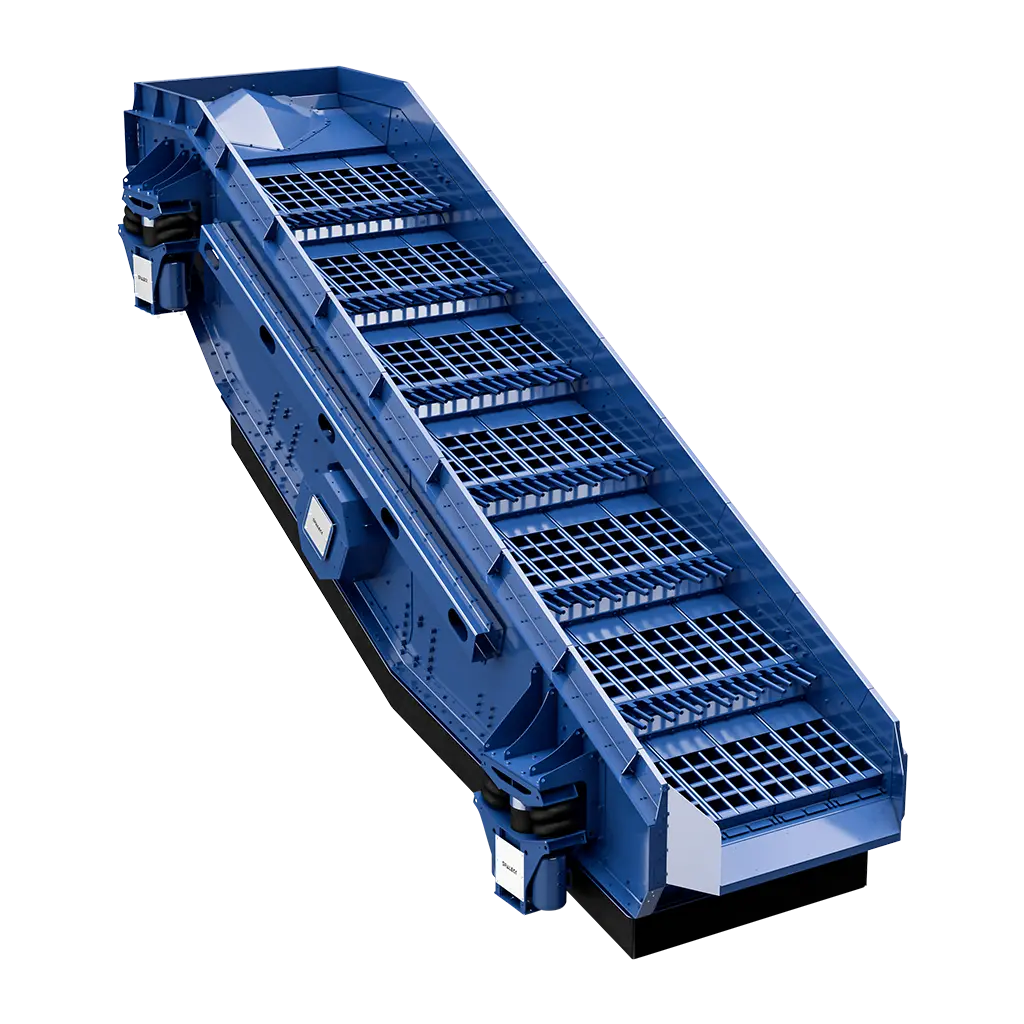
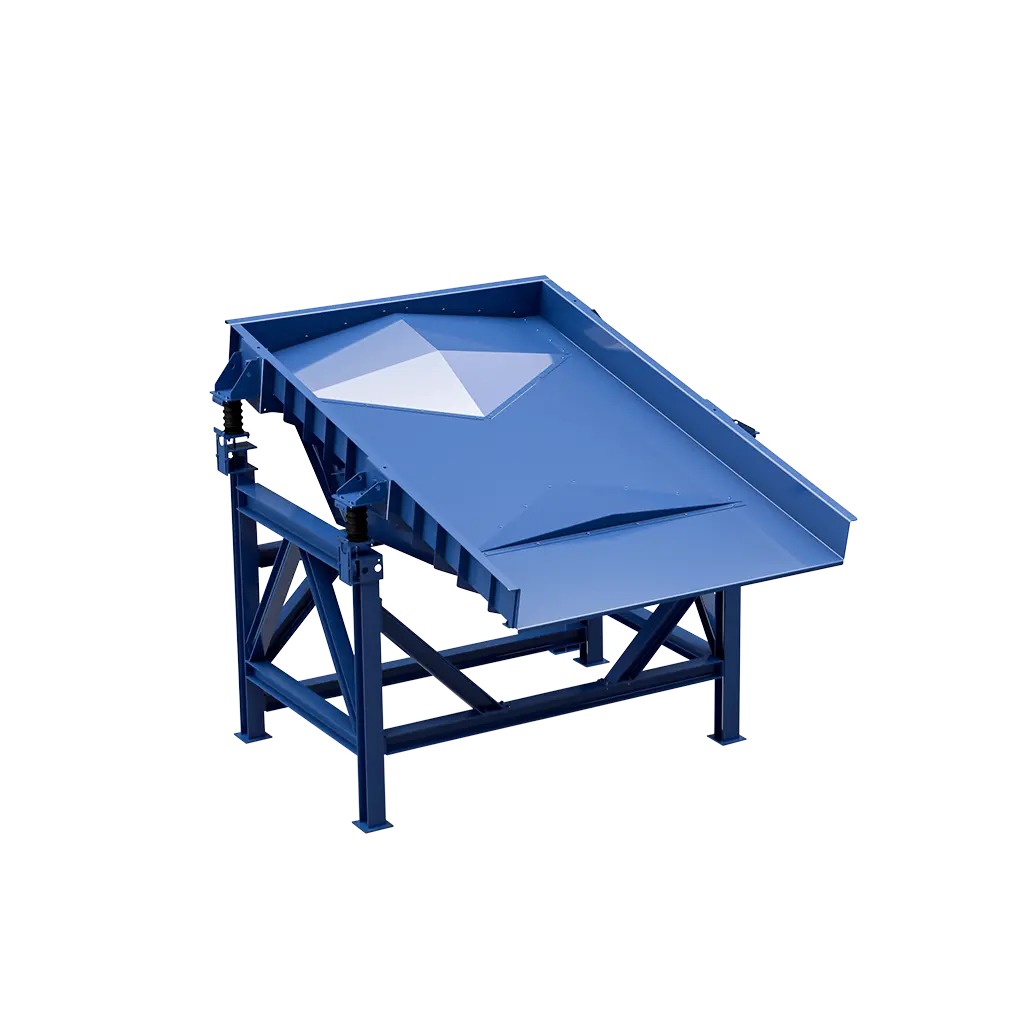
Blue Recycling Waste Screen for sorting recycled materials.

Classification screening

The vibrating screen performs the first classification. The machine is designed with a very easily accessible housing. The screen linings are optimized for electronic scrap.

SPALECK 3C COMBI screening machine

Double-deck screening machine

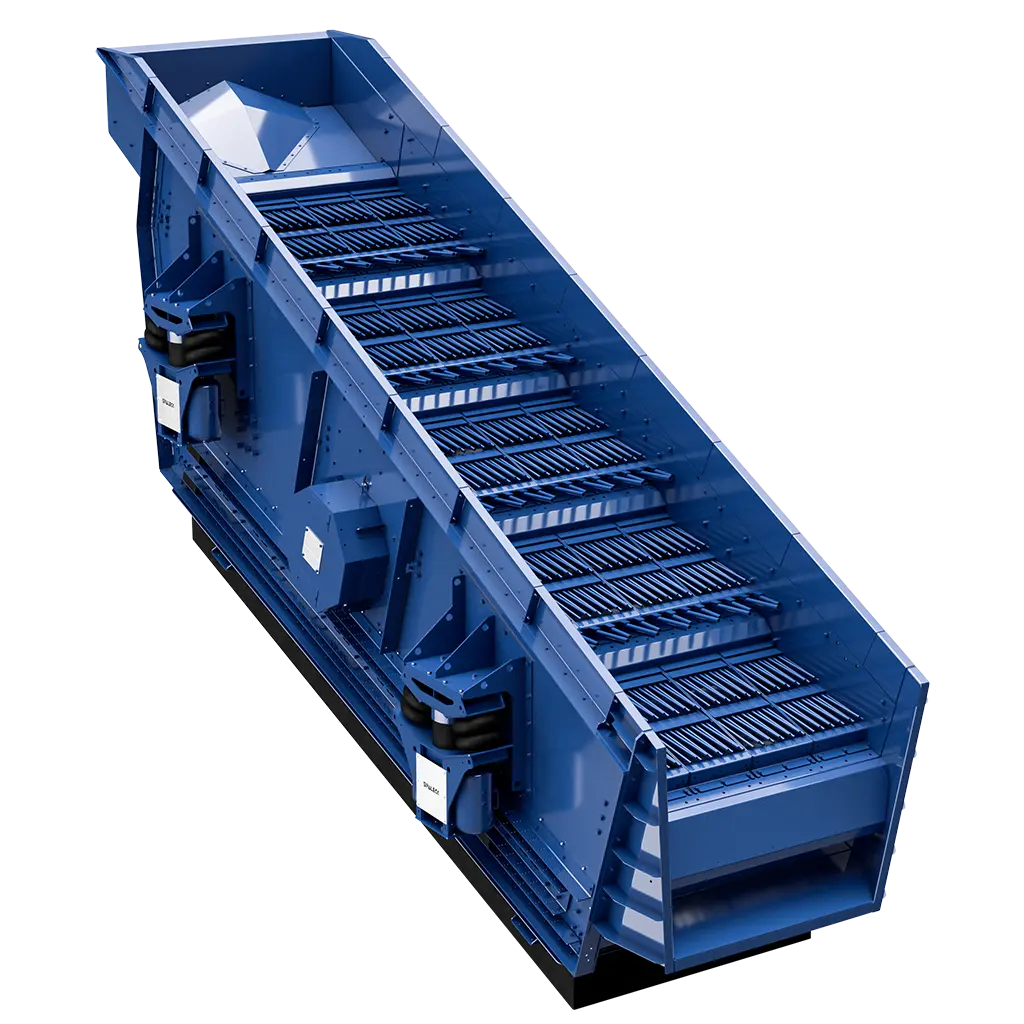
High throughput with precise screening sizes. The SPALECK 3D COMBI, with its cleaning-optimized screen decks and Flip-Flow screening mats on the lower deck, classifies the material for sorting.

SPALECK Vibratory feeder

Vibratory Sponsor

SPALECK vibratory feeders play a key role in the sorting of electronic waste: They feed the material to the sorting machines. To do this, they even out the material and feed it into the sorting machine at the optimal feed width.

SPALECK combination device for feeding and Screening process in recycling

Feeding & fine particle screening

This special solution has one goal: to screen off any remaining fine material before it is fed into the sensor sorting system. The result: clean belts, clean sorting and optimized sorter performance.

A man in a white shirt is pointing to the right, in the context of -Immark- electronic waste recycling.

Exchange with our experts for Screening technology and material feed

Discuss the electronic waste project now

Would you like to find out more about the optimized screening process and material feeding for your existing or new e-waste processing facility? Then let’s talk about your material and your processing needs. I’d be happy to show you more references and use cases.

The OUTPUT SITUATION

Complex Material flows in WEEE recycling

Electronic waste is a highly complex material stream with widely varying material properties. Different device classes, designs and material composites must be reliably recycled – from circuit boards and cables to housing parts and metal composites.

After shredding, a mixture with different Particle sizes and material densities is produced that is challenging in terms of process engineering. Typical components are non-ferrous metals, plastic-containing fractions, circuit board parts, cable and wire remnants as well as a mix of fines consisting of glass, sand and impurities that should not be underestimated.

Without targeted classification and separation of fines, this leads to specific problems in the further Recycling process:

Immark project manager and two screening machine experts from SPALECK stand in front of the unshredded input material for the new e-waste processing plant
Recycled Electronic waste is sorted by material - here pure aluminum

Project objective

Defined fractions for precise sorting and efficient processing

For Immark, the focus was on processing the shredded material using electronic waste screening machines so that the sorting equipment could sort it under optimal conditions. The goal was to produce clearly defined fractions from the highly heterogeneous WEEE material flow and to prevent contaminants such as dirt or long pieces.

WEEE processing in a real process

From the project idea to high-performance Electronic waste processing

The video shows how Immark and SPALECK worked together—from project development through extensive screening tests at the SPALECK TestCenter —to arrive at the optimal solution for e-waste processing.

You are currently viewing a placeholder content from YouTube. To access the actual content, click the button below. Please note that doing so will share data with third-party providers.

More Information

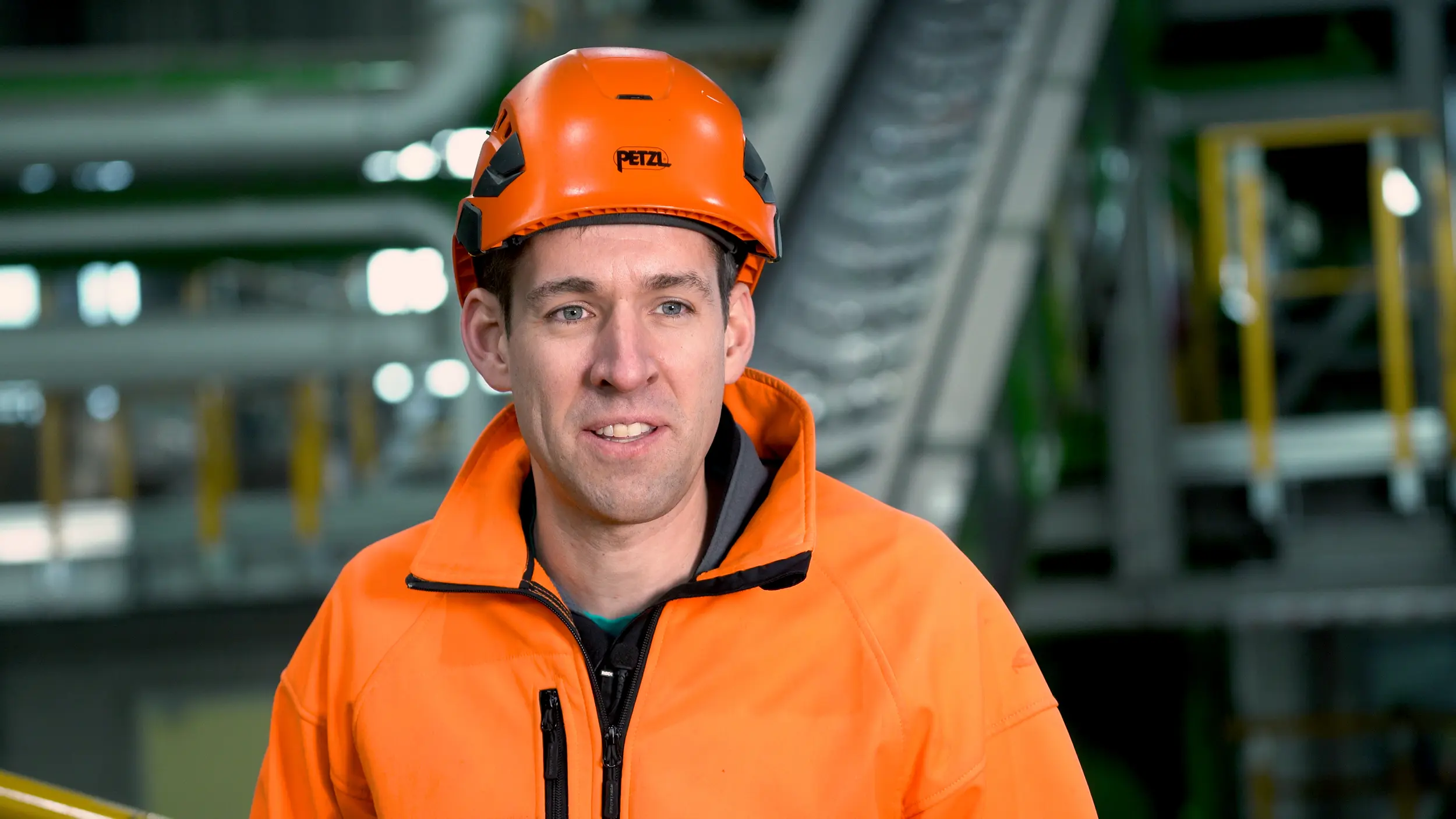
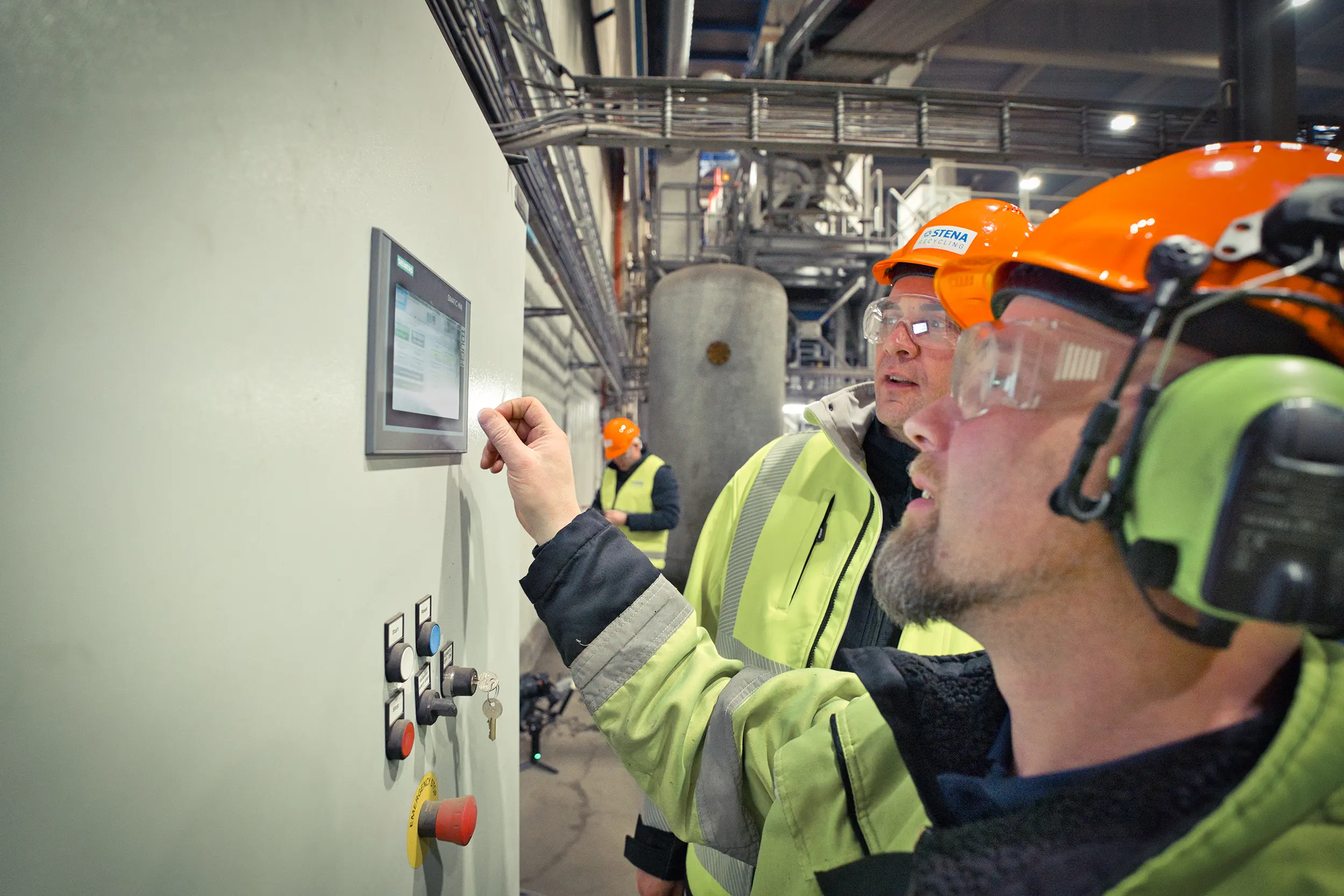
Employees wearing protective gear are discussing something at a recycling plant.

The spaleck solution

Screening and conveying technology ensures precise material flows and optimal sorting conditions in WEEE recycling

Precise classification, reliable fine particle screening and optimized material feed

Customer benefits

Here's what recycling experts have to say about WEEE recycling with SPALECK

Your Experts in Recycling Technology for WEEE & Electronic waste Recycling

We would be happy to advise you on how you can improve your sorting quality in electronic waste recycling through an optimized screening process and material feeding.

TRANSFERABILITY for your preparation

Relevance for economical WEEE and electronic waste recycling

Immark’s project shows how strongly the quality of sorting depends on the upstream material preparation.

Particularly in metal recycling and WEEE recycling, the combination of classification (Screening process), targeted separation of fine particles, and a controlled material feed determines how efficiently and reliably the sorting technology can detect the recyclable material and sort it into its individual components.

Extensive screening tests conducted at the SPALECK TestCenter made it possible to determine and validate the optimal machine configurations in advance.

The Recycling technology used can be applied to applications in which heterogeneous material streams are prepared for eddy current sorters and sensor-based sorting:

SPALECK vibratory feeders supply a TOMRA sensor sorting device for e-waste recycling
A man in a white shirt is pointing to the right.

Exchange with our e-waste experts

Discuss the next step now

Would you like to find out more about our screening machines for electronic waste? Or are you perhaps planning a new project and would like to conduct extensive screening tests with your material at no cost? Then let’s talk about your material now. I’d also be happy to show you more case studies featuring SPALECK screening machines in electronic waste processing.

BEST SCREENING. BEST INFEED. FOR BEST SORTING QUALITY.

SPALECK ActiveFEED in use

More SPALECK success stories

Everything you need to know

FAQs

Here you will find some questions about your work at SPALECK. If you still have questions, just write to us.

Which Screening technology is suitable for your electronic scrap can be reliably determined based on your specific material and the planned process. Decisive factors include particle size distribution, the fines content, the exact material composition and throughput requirements. On this basis, we develop an optimal design and are happy to test it with your material in the SPALECK TestCenter. Our screening machines for recycling Electronic waste are also highly customizable thanks to our ModularDESIGN+ concept.

Yes, you can view reference plants for electronic scrap with SPALECK Screening technology. We would be happy to organize a visit to existing plants so that you can get an idea of the processing and the screening quality achieved on site. We would also be pleased to invite you to screen your electronic scrap at our SPALECK TestCenter.

No, processing electronic scrap and metals such as SLF or ASR is no problem for SPALECK Screening technology. Our screening machines are configured to reliably handle different Material flows and similar applications. We determine the exact machine setting with you in advance.

The screening machine is designed to fit perfectly into your planned electronic waste processing plant. SPALECK screening machines are customized to your material, throughput, and process control. We take into account interfaces, installation conditions, and conveyor systems to ensure easy integration into your plant. It also happens that plant operators replace screening machines from other manufacturers with SPALECK screening machines in an existing facility. This is generally not a problem either.

Yes, you can test your electronic scrap in advance on SPALECK screening machines. In the SPALECK TestCenter, we carry out tests with your original material on two complete Recycling lines and thus analyze under real conditions which Separation sizes and screening machine design is optimal for your application. This provides you with a reliable basis and you can also use the screened material for further tests, e.g. with sorting machines. The tests in the SPALECK TestCenter are free of charge for you.

SPALECK Screening technology improves sorting performance in Electronic Waste recycling by Classifying (i.e. Screening) the Material flow into defined Particle sizes and removing interfering fines. This produces clearly defined fractions with a specific particle size from an unscreened mixture with a wide range of particle sizes. The equally sized parts are then separated by material using sorting equipment. The same size helps the sorting technology to better detect the individual components.

Fines must be removed from electronic scrap because they significantly impair the performance of the sorting technology used. The materials in the fines (e.g. sand, dirt, impurities) cause contamination in the sorting equipment, accumulate on larger parts and lead to incorrect rejections during electromagnetic, X-ray or sensor-based sorting. With the right Screening technology, the fines are reliably removed. A typical screening size here is 0 – 8 mm Particle size, which is screened off as fines.

The following materials, among others, are processed during Electronic waste recycling:

– Ferrous and non-ferrous metals
– Plastics
– Printed circuit boards and circuit boards
– Glass components
– Fine fractions from shredded composite materials
– Sand, dust and impurities

All of these materials must be specifically separated and processed in the Recycling process.

Classification, i.e. the screening process according to material size, is important in Electronic waste recycling because it separates the material stream into defined particle sizes. Modern sorting equipment can only clearly identify the materials and separate them precisely according to material components if the grain bands are uniform.

WEEE recycling is the processing of waste electrical and electronic equipment to recover recyclable materials such as ferrous and non-ferrous metals, plastics and circuit board components. The appliances are shredded, the shredded material is classified (screened) by size and then sorted mechanically and by material type using sensors.

READY FOR BETTER SCREENING

Together, we optimize your recycling process