Effective Wastewater Treatment with Energy Recovery
Anaerobic wastewater treatment breaks down organic pollutants in the absence of oxygen. Unlike aerobic treatment, which incurs high energy costs for aeration, this process produces valuable biogas. The process is the ideal choice for highly contaminated wastewater, helping to reduce operating costs and improve your site’s carbon footprint.
While aerobic processes consume a massive amount of energy for aeration, anaerobic technology produces valuable biogas. You can burn this directly in your boilers or convert it into electricity and heat in a combined heat and power (CHP) plant. Your wastewater treatment plant will go from being a cost driver to a power plant.
Anaerobic bacteria derive their energy from the breakdown of organic matter into CO2, which results in significantly slower growth than in aerobic cultures. The result: up to 90% less excess sludge is produced. You’ll see massive savings on disposal and transportation costs—a crucial factor given today’s prices.
High-performance reactors allow us to treat extremely high organic loads (COD) in a very small footprint. This is ideal for sites where there is no room for large, shallow aeration tanks.
Our anaerobic systems are designed to handle fluctuating influent loads in industrial settings (e.g., following cleaning processes or campaign runs) in a stable manner. Once established, the biological system is extremely robust and requires minimal maintenance.
Every industrial process leaves specific traces in the water. As part of our anaerobic wastewater treatment process, we analyze your specific contaminants and select the optimal combination of processes to not only safely remove these substances but also convert them into a valuable energy source for your operations.
Not all wastewater is immediately “ready for anaerobic treatment.” In our laboratory, we determine the exact energy potential of your wastewater through specific fermentation tests. We combine the appropriate pretreatment and post-treatment processes to ensure that even problematic substances are reliably separated. Focus on other contaminants? We have a solution for that, too. We integrate the anaerobic stage as a highly efficient component into a comprehensive system that reliably manages all of your wastewater streams.
Anaerobic treatment is most effective at breaking down high loads of COD and BOD. Compared to aerobic treatment, the energy balance is positive: the anaerobic breakdown of COD produces methane as a metabolic byproduct, which is used to generate energy.
The result: a drastic reduction in your discharge fees while simultaneously producing carbon-neutral energy.
In an anaerobic system, oils and greases are a major concern because they can coat the active bacterial pellets and block their metabolism. If necessary, we remove greases and oils from the wastewater stream using a pretreatment stage. This ensures that the microorganisms in the reactor convert only the dissolved organic matter into biogas, without being inhibited by greases and oils.
By excluding oxygen and operating at specific process temperatures, the anaerobic process in the reactor already provides a natural barrier against many aerobic microorganisms. In combination with various intermediate stages, we can achieve a level of water quality that enables safe recirculation even in industries with stringent hygiene requirements.
Dissolved organic compounds are ideally suited for anaerobic treatment. Our specialized microbial system breaks down these substances in a multi-stage process (from hydrolysis to methanation). The key advantages over conventional, aerobic wastewater treatment plants: Up to 90% less excess sludge is produced, which drastically reduces your disposal costs. At the same time, the organic load is converted into valuable biogas. This allows you to use your wastewater as an energy source and achieve a demonstrably positive energy balance.
To ensure that your levels remain well below strict nitrate and nitrite limits, we take a holistic approach to the processes in your facility. Through targeted process control, harmful nitrogen compounds are reliably converted into harmless elemental nitrogen ($N_2$) and released as a gas. This guarantees your legally compliant adherence to the strictest environmental regulations.
At the heart of our technology is the conversion of dissolved pollutants into valuable energy—all without the high power consumption of conventional aeration.
Before the wastewater enters the high-performance reactor, it is collected and equalized in a tank. This tank houses the hydrolysis and acidification stages. There, complex organic substances (such as sugars or starch) are broken down into simple organic acids.
The result: A stable pH value and a consistent temperature protect the sensitive biological system in the main reactor from shocks caused by fluctuations in the quality and quantity of the wastewater feed and ensure constant gas production.
The heart of the system: In the anaerobic reactor, specialized bacterial pellets convert the dissolved acids directly into biogas in the absence of oxygen. A controlled upward flow keeps the Biomass suspended, ensuring highly efficient operation.
The result: Maximum treatment performance (COD reduction) with minimal space requirements. Unlike aerobic processes, this results in a positive energy balance and produces virtually no excess sludge.
At the top of the reactor, a three-phase separator separates the purified water from the biogas produced and the bacterial pellets. The biogas is extracted from the top, while the bacterial pellets are retained within the system.
The result: You obtain clean process water for discharge or reuse while simultaneously producing your own heat or electricity from the biogas generated.
The biogas produced in the separation system is a high-quality energy source that must be purified of moisture and impurities before it can be utilized. In a compact purification stage, the raw gas is prepared for use. This prevents corrosion damage to your equipment. As a result, your wastewater is transformed into a clean and highly efficient energy source.
The wastewater flows through a compact pellet sludge bed from the bottom to the top, while an integrated three-phase separator in the reactor head separates biogas, water, and Biomass gravimetrically. Since the system operates entirely without moving parts, maintenance requirements and OPEX are reduced to a minimum. At moderate upflow rates, the UASB reactor offers maximum process stability and a high tolerance for particulate matter.
Targeted wastewater recirculation increases the upflow velocity. As a result, the granular sludge bed expands into a slightly fluidized state. From a process engineering perspective, this dynamic maximizes mass transfer between the Biomass and the wastewater. You benefit from a drastically reduced footprint and the flexibility to reliably accommodate even highly fluctuating influent concentrations.
This two-stage high-performance system uses the biogas generated in the inlet to drive a self-sufficient Mammut pump via an internal riser pipe. The mixture is degassed at the top of the reactor and flows back down by gravity. The clever design eliminates the need for external pumps and achieves extremely high upward flow velocities. This enables maximum COD loading rates in a minimal footprint and prevents any channeling from forming in the sludge bed.
Spaleck Wassertechnik GmbH
Robert-Bosch-Str. 6
46397 Bocholt
Phone: +49 2871 2134 – 0
E-mail: info@spaleck.de
This modern waste water technology process offers a highly efficient solution for wastewater with a high organic load. We will work with you to determine, through an initial analysis, whether your specific load characteristics and temperatures are optimally suited for energy recovery. The system reliably reduces pollutants, lowers operating costs, and produces valuable biogas.

In metal processing, highly contaminated effluents are often generated from degreasing baths or emulsion separation. While conventional methods reach their limits in these applications, the anaerobic stage of our comprehensive solution efficiently breaks down organic additives and surfactants.
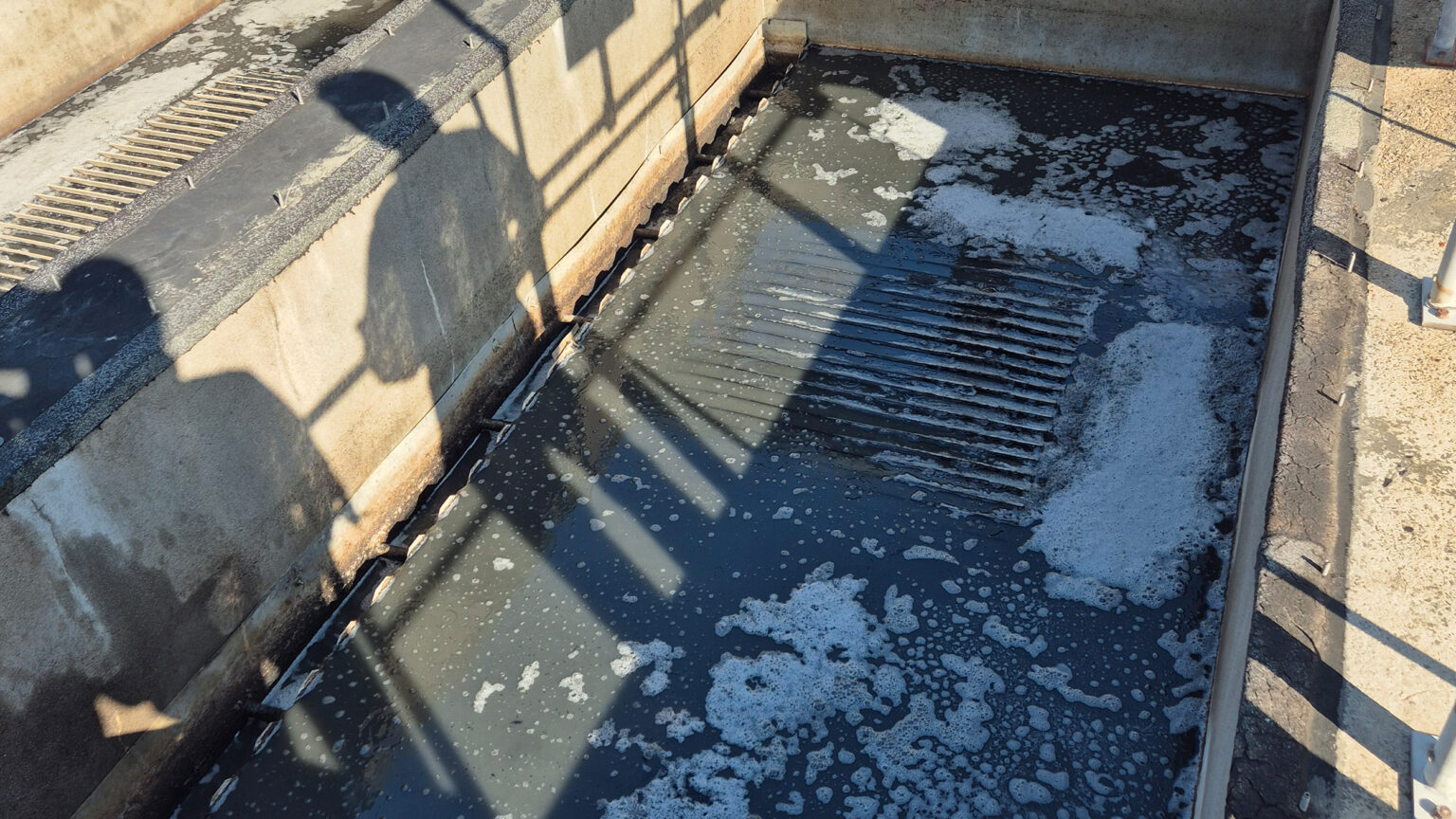
Whether it’s whey, sugar residues, or organic suspended solids, your wastewater is a high-energy raw material. Our reactors convert these substances into valuable methane gas that you can use directly in your production process.
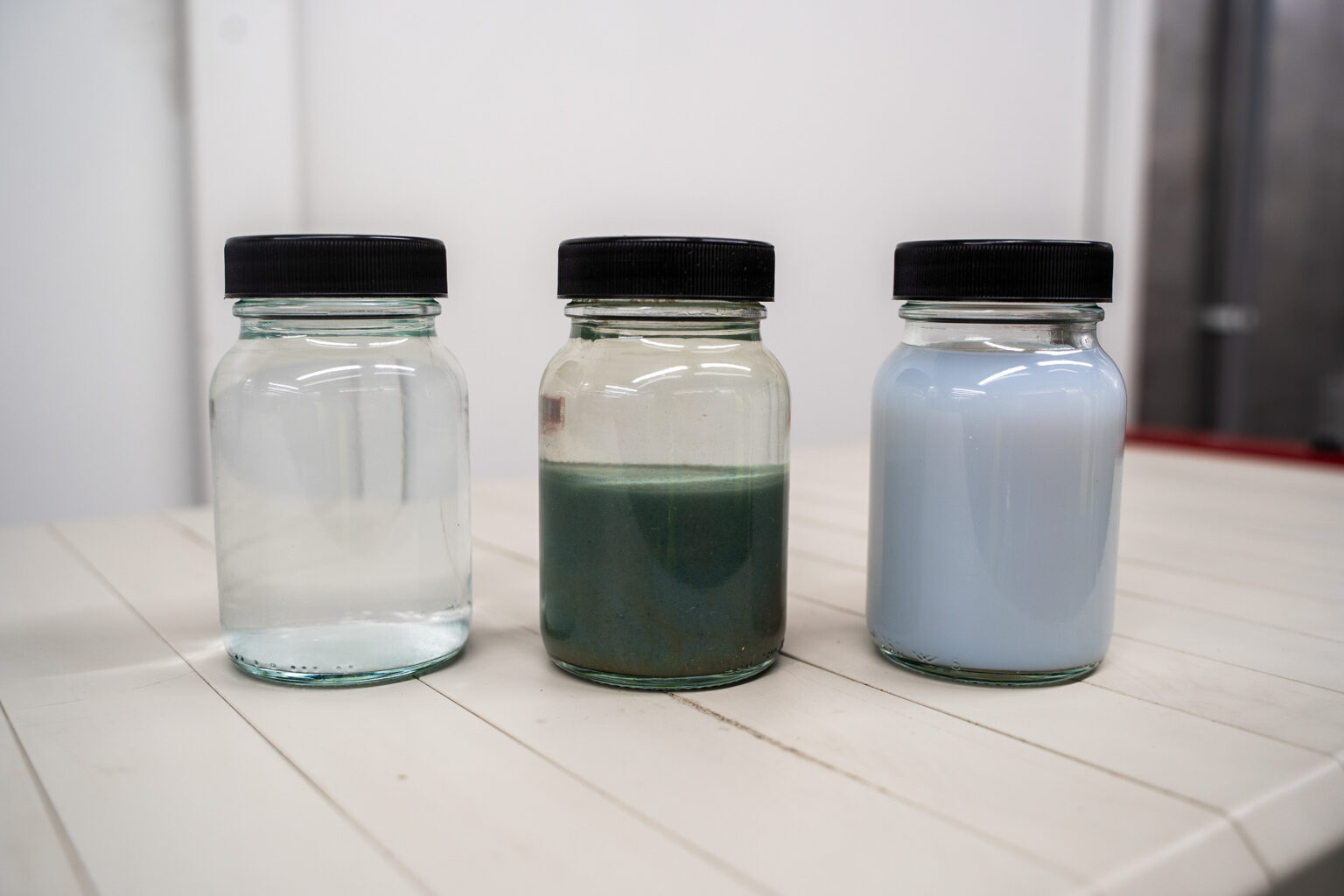
Frequent changes in product composition lead to fluctuating wastewater compositions with high concentrations of organic matter. SPALECK’s anaerobic biological system is designed to reliably handle these peak loads and ensure the success of your entire water treatment system.
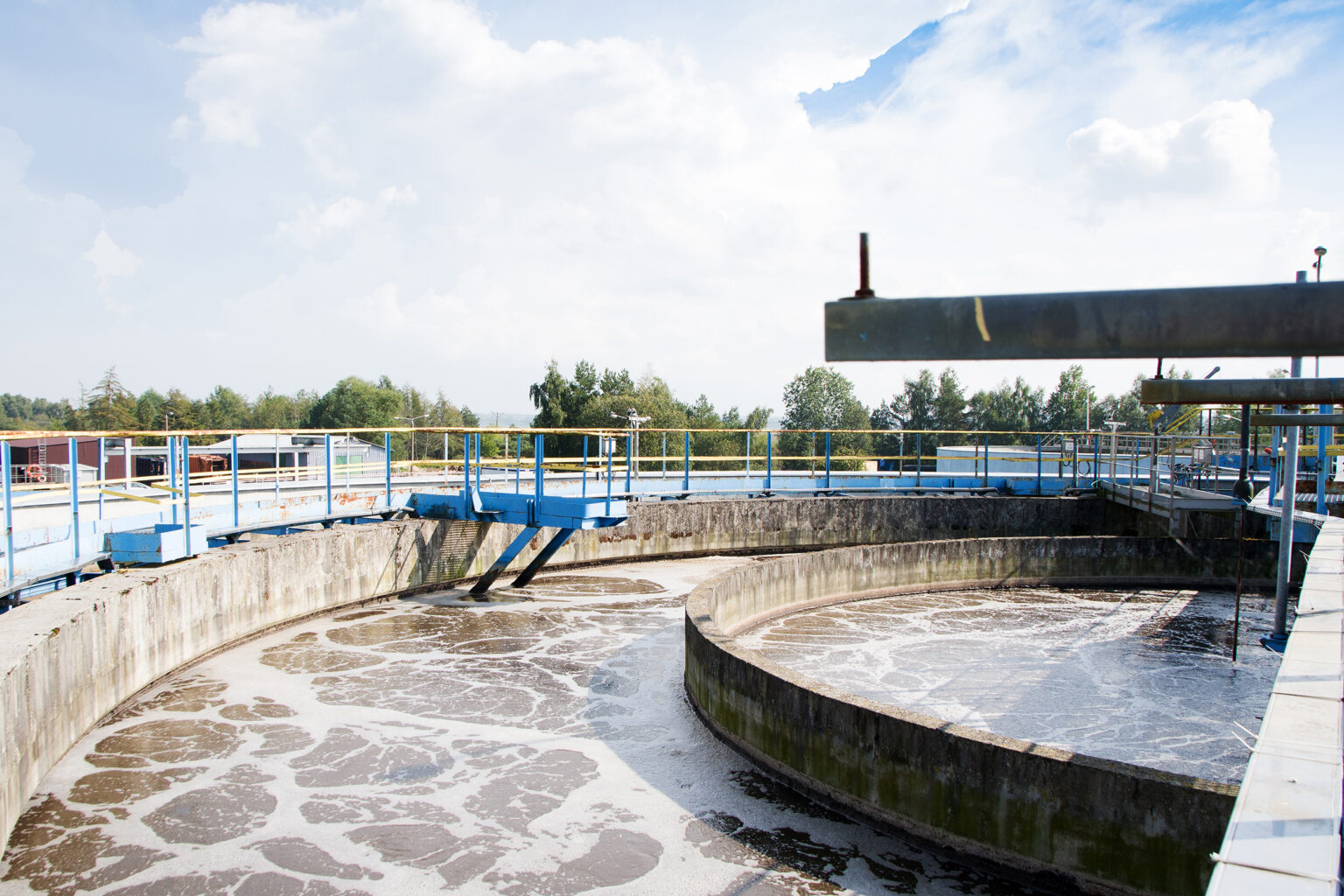
In chemical production, wastewater is often highly concentrated but readily biodegradable. Anaerobic pretreatment drastically reduces the COD load before the water is sent to final treatment via additional SPALECK water treatment systems or discharged into the public sewer system.
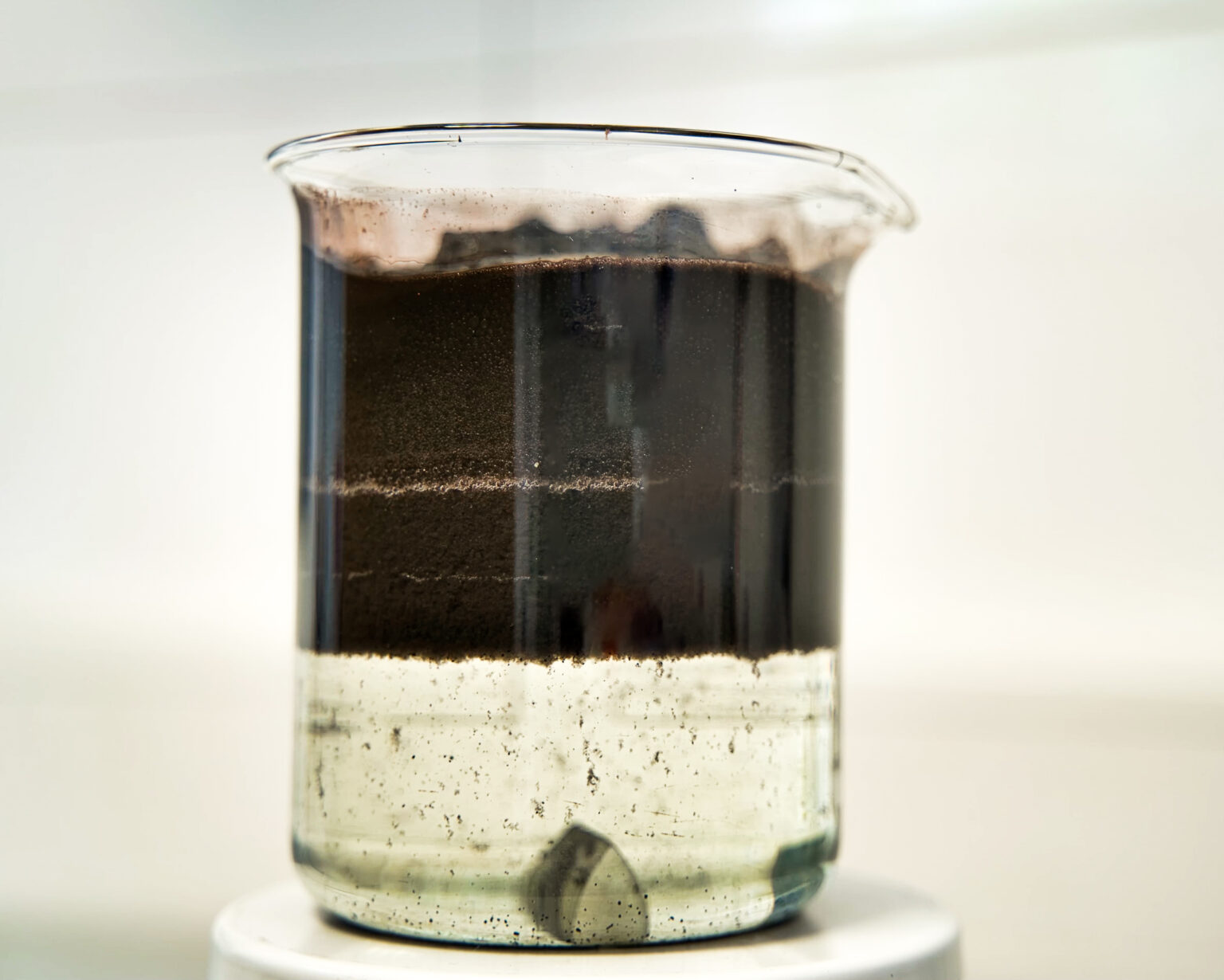
The production of paper and cardboard consumes enormous amounts of water and energy. Through the anaerobic treatment of recirculated water, we keep your water clean while simultaneously recovering energy.
Every process is unique. Even if your industry isn't listed here, we'll analyze your specific wastewater parameters in our in-house laboratory to identify the right components for your customized water treatment solution.

If you have any questions about SPALECK water technology, our team of experts will be happy to assist you.
Here are some questions about SPALECK water technology. If you still have questions, please feel free to contact us.
This is one of the biggest efficiency advantages: Anaerobic bacteria grow significantly slower than aerobic bacteria. As a result, up to 90% less excess sludge is produced. This drastically reduces your costs for sludge dewatering and disposal and noticeably eases the burden on your logistics operations. In addition, there is the opportunity to market the resulting bacterial pellets.
We build customized wastewater treatment plants. We pay attention to modularity and accessibility in our in-house design. This means that the system remains flexible enough to grow with your company or to be technologically upgraded.
Anaerobic microorganisms are very resilient. They can be put into a “dormant state” for a certain period of time. When production is resumed, the reactors return to full capacity within a short time. We configure the system to suit your individual processes.
The key advantage lies in the energy balance. While aerobic processes require a lot of electricity for aeration, anaerobic systems produce valuable biogas. In addition, significantly less sewage sludge is generated, which drastically reduces your disposal costs. In short: You transform your wastewater load into a source of energy.
You are currently viewing a placeholder content from Vimeo. To access the actual content, click the button below. Please note that doing so will share data with third-party providers.
More InformationYou are currently viewing a placeholder content from YouTube. To access the actual content, click the button below. Please note that doing so will share data with third-party providers.
More InformationYou need to load content from reCAPTCHA to submit the form. Please note that doing so will share data with third-party providers.

More Information