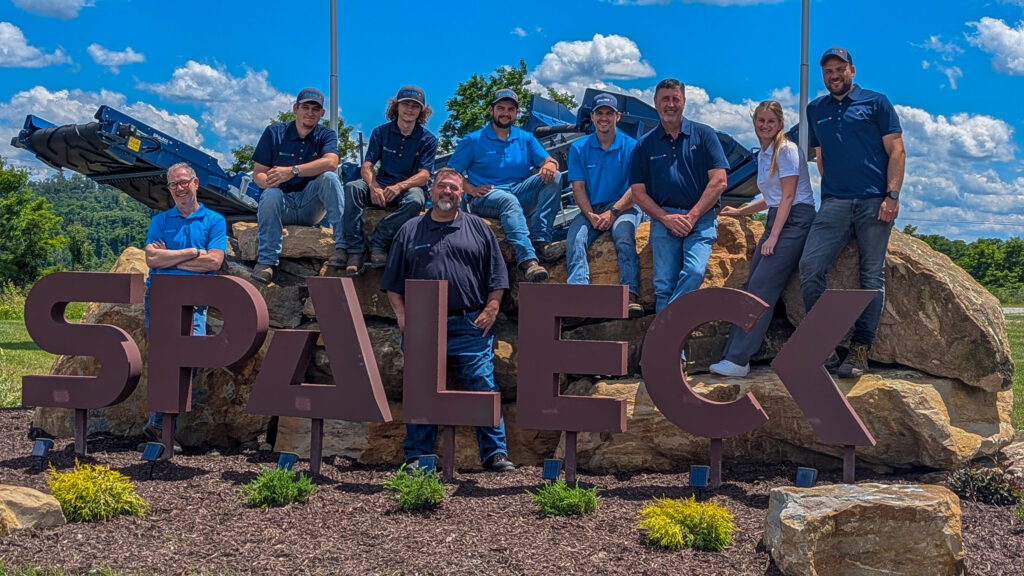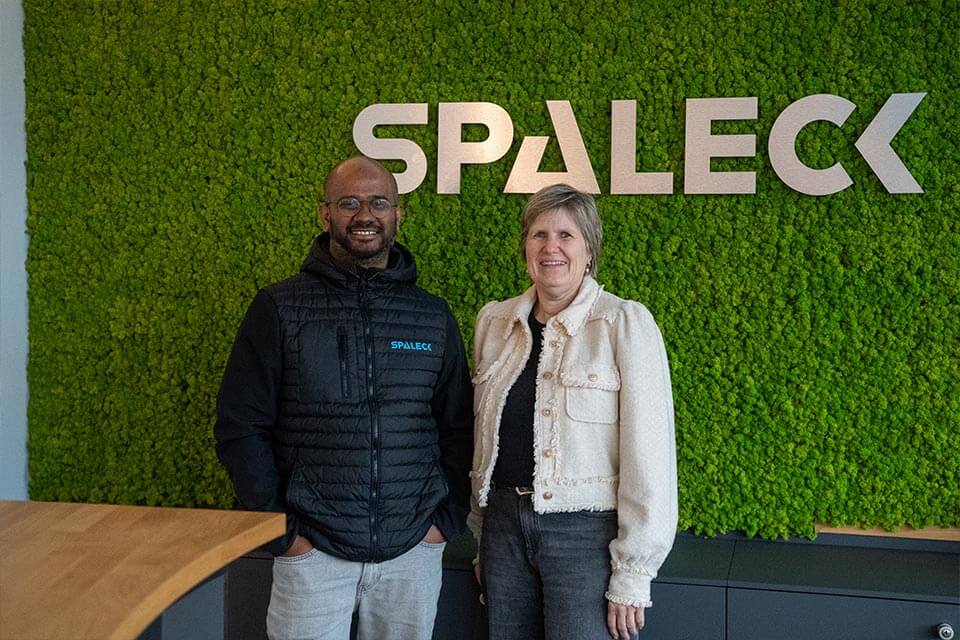



Bocholt/Borken – This week, NABU Kreisverband Borken e.V. signed a cooperation agreement with the Bocholt-based family business SPALECK. Together, the nature conservation organization and the industrial company want to initiate and implement environmental protection measures at its sites in Bocholt, Greiz, Borne (NL) and Resita (RO). Another common goal is to work with companies and local authorities regionally to promote a more sustainable economy.
What opportunities are there for nature and environmental protection in your own company? How can employees be involved? And importantly – how can other companies also be involved?
The two partners aim to find answers to these and other questions. Together, they want to show that ecology and economy are not mutually exclusive, but belong together. To this end, nature and environmental protection issues must also be placed at the top of the agenda in commercial enterprises, with the aim of preserving our prosperity for future generations in the long term.
Carsten Sühling, Managing Director of SPALECK Holding: “As an industrial company, we have been leaving a large ecological footprint for many years. It is now time to change things in order to secure the basis of life for all of us in the long term. Together with as many other companies as possible, we must take better account of environmental concerns in future and protect resources.” The company sees many opportunities here. Sühling continues: “As a 5th generation family business, we are convinced that this is essential for our entrepreneurial future and our raison d’être. As a supplier and mechanical engineering company, we already generate a large part of our turnover with green, sustainable products and now want to make our production even more environmentally friendly.”
The NABU district association and SPALECK want to start together with environmental protection measures at the Group’s sites. Green roofs and façades, hedges for birds, insect hotels, nesting boxes and ecological break corners are the first measures under discussion. Michael Kempkes, District Chairman of NABU: “Sustainable products and services will be a clear competitive advantage for companies in the future. And environmental protection measures are also important for the workforce, as they strengthen loyalty to the employer. Green, sustainable site measures are a great start here and also improve working conditions.”
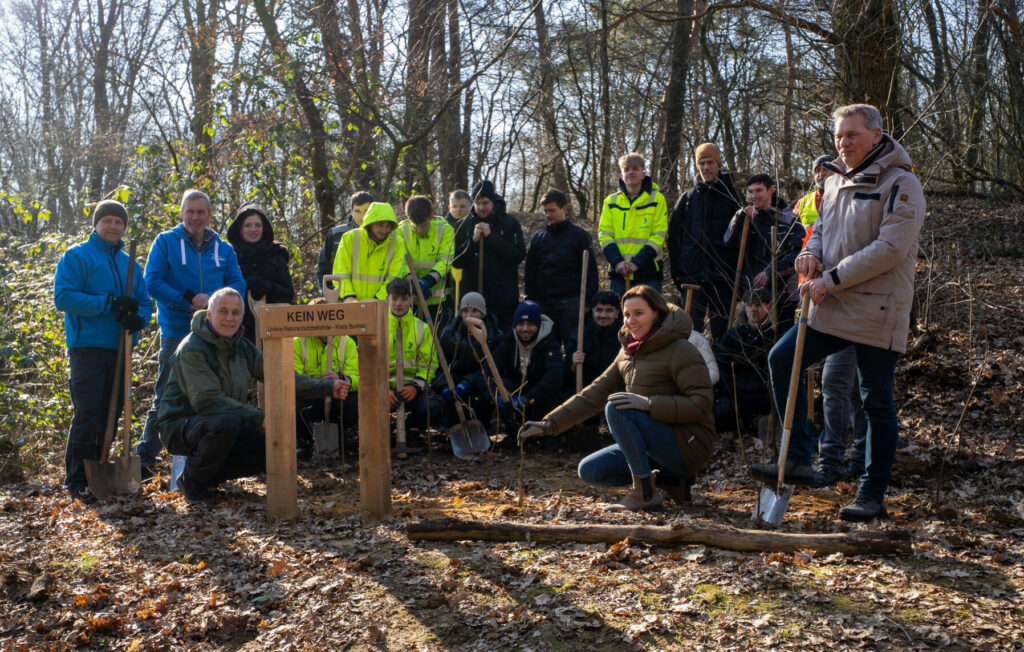
SPALECK’s trainees will also be involved in this process. Karin Spaleck, responsible for human resources: “With the help of NABU Borken, we will be offering our approximately 30 commercial and industrial trainees two nature and environment days per year in future. Here, our trainees learn about regional nature conservation projects, gain knowledge and, where possible, are allowed to participate in nature conservation measures. The costs are borne by our company.”
NABU also advises the company on how it can gradually reduce its ecological footprint. Michael Kempkes: “The path to CO2 neutrality is an immense challenge for companies. It is vital for humanity to achieve the 2-degree target of the Paris Climate Agreement. This can only be achieved together with the business community. We want to make a partial contribution here with advice, knowledge and contacts.”
Kempkes and Sühling both emphasize the importance of winning over other companies for environmental protection and sustainability. Carsten Sühling: “We companies still have it in our own hands to shape our future viability.” Kempkes adds: “To do this, we also have to convince local politicians and administrators.” NABU and SPALECK want to approach partners such as companies, associations and local authorities in the near future and encourage them to take more active steps.